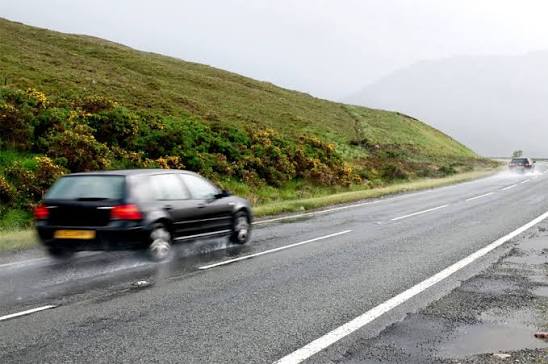
Rain can change a familiar road within minutes. Wet road traction is reduced when water separates the tires from the pavement, while visibility and braking performance may also become less predictable.
The safest response is usually simple: slow down, leave more room, steer smoothly, and avoid sudden braking. Those adjustments give the tires more opportunity to maintain contact with the road.
Why Wet Roads Require More Space
A tire needs friction with the pavement to accelerate, turn, and stop. Water interferes with that contact, especially when rain combines with worn tread, higher speed, oil residue, or standing water.
Following distance therefore matters more in wet weather. Extra space gives you time to brake progressively instead of making an abrupt stop that could reduce stability.
Slow Down Before Conditions Become Difficult
Drivers sometimes wait until the rain becomes heavy before reducing speed. Yet even light rain can create slippery conditions when it mixes with dust and residue that have accumulated on the road.
Consistent fleet operating habits also reflect a useful principle for everyday drivers: vehicle control improves when decisions are made early rather than after conditions become uncomfortable.
Keep Steering Inputs Smooth
Sharp steering can demand more grip than the tires can provide. Enter curves at a manageable speed and make gradual corrections rather than turning suddenly.
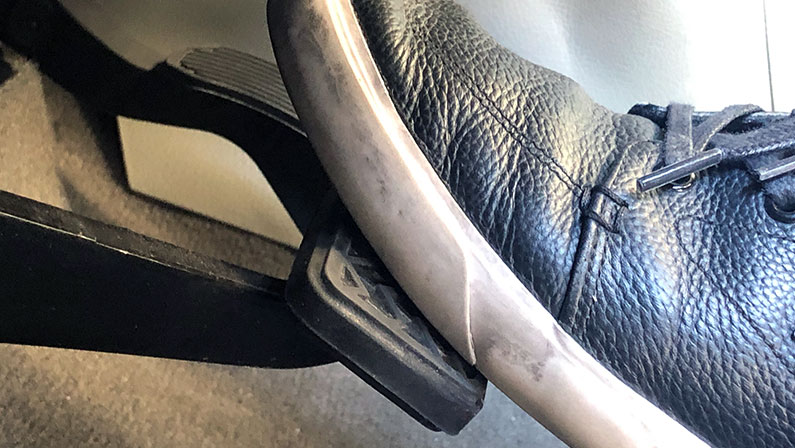
The same principle applies to acceleration. Pressing the accelerator progressively helps reduce unnecessary wheelspin on slippery surfaces.
Increase Your Following Distance
The distance that feels comfortable on a dry afternoon may be too short during steady rain. Leave enough space so normal braking can handle routine traffic changes without panic.
Planning road-readiness routines before departure may also reduce hurried driving. Knowing the route, checking weather conditions, and allowing extra travel time can make it easier to accept slower speeds.
| Wet-Road Problem | Better Response | Reason |
|---|---|---|
| Reduced grip | Slow gradually | Preserves traction |
| Longer stopping needs | Increase distance | Adds braking room |
| Standing water | Avoid sudden inputs | Reduces loss of control |
| Poor visibility | Use proper lights | Helps you see and be seen |
Tires Matter More Than Many Drivers Realize
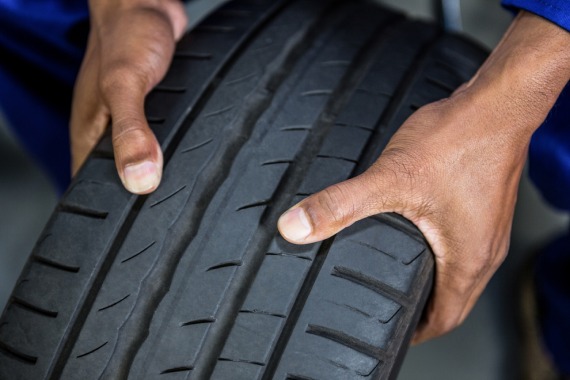
Tread channels help move water away from the tire’s contact area. As tread becomes worn, the tire may have less ability to handle water effectively.
Regular tire grip checks fit naturally into wet-weather preparation. Drivers should look for uneven wear, visible damage, and incorrect inflation rather than assuming a tire is suitable because it still holds air.
Where Wet-Weather Driving Goes Wrong
A frequent mistake is treating all wet pavement the same. A lightly damp road, a deep puddle, and flowing water across a roadway present very different levels of risk.
Cruise control can also be a poor choice when conditions are changing quickly. Maintaining direct control over acceleration allows the driver to respond more naturally to reduced grip.
Trying to “push through” standing water is another dangerous assumption. Water depth can be difficult to judge, and flooded roads may hide damage or stronger currents than expected.
Frequently Asked Questions
Why do tires lose grip in rain?
Water can reduce direct contact between rubber and pavement. Speed, tread condition, water depth, surface texture, and tire pressure all influence how much traction remains.
Should I brake differently on wet pavement?
Brake smoothly and earlier when possible. Sudden braking may place greater demand on available traction, while earlier pressure gives the vehicle more room to slow progressively.
Are new tires immune to hydroplaning?
No. Good tread helps manage water, but speed and water depth still matter. Any vehicle can lose effective tire contact when conditions overwhelm the tire’s ability to disperse water.
Give Yourself More Room
Wet-road driving works best when you reduce the number of sudden decisions required. Lower your speed before entering difficult areas, leave additional space, and keep steering and braking movements controlled.
Rain does not always require dramatic driving changes. It does require more margin. That extra distance and slower pace can give your tires and your reactions the room they need.