Breakdowns become more disruptive on highways because traffic speeds are higher and stopping locations may be limited. Reducing highway breakdown risks starts with identifying weak tires, cooling problems, battery issues, fluid leaks, worn belts, lighting faults, and maintenance that has already been postponed.
The best roadside repair is often the one that becomes unnecessary because the warning signs were caught at home.
Look for Problems That Highway Driving Can Expose
Steady highway travel may keep an engine operating under load for long periods, especially with passengers, luggage, hills, or hot weather. A small cooling-system weakness that seems harmless during short neighborhood drives may become much more noticeable after an hour of continuous driving.
Pay attention to unusual smells, temperature changes, puddles, belt noise, slow starting, or newly appearing dashboard warnings. General roadside driving resources can provide useful background, but visible warning signs on your own vehicle deserve priority.
Inspect Tires Before Speed Magnifies the Problem
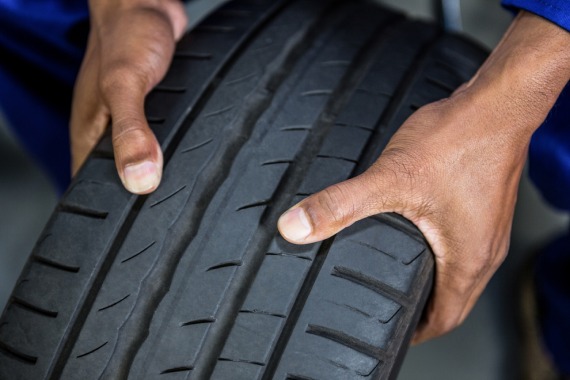
High speeds increase the importance of tire pressure, structural condition, and tread. Look closely for cuts, cracking, exposed cords, bulges, nails, and uneven wear patterns.
A tire that repeatedly loses pressure needs investigation rather than another quick refill. If professional help is necessary, repair service listings can help with the search, while the actual repair decision should be based on inspection of the vehicle.
| Risk Area | Possible Warning | Better Response |
|---|---|---|
| Tires | Repeated pressure loss | Find the leak or damage |
| Cooling system | Rising temperature | Diagnose before departure |
| Battery | Slow engine cranking | Test battery and charging system |
| Brakes | Grinding or pulling | Arrange inspection promptly |
Check Cooling and Fluid Systems
Coolant problems can turn a routine highway trip into an overheating situation. Check accessible coolant levels only according to the manufacturer’s procedures, and never remove a pressurized cooling-system cap from a hot engine.
Engine oil, brake fluid, and washer fluid also deserve a look. Fresh road trip planning ideas can make the journey more enjoyable, but route planning cannot compensate for a vehicle already showing mechanical warning signs.
Watch the Temperature Gauge
Know what normal temperature indication looks like in your vehicle. If the temperature climbs unusually high, continuing to drive may cause further damage depending on the problem.
Prepare for a Safe Roadside Stop
Even well-maintained vehicles can suffer punctures or unexpected faults. Keep hazard equipment where it can be reached quickly, and make sure your phone has enough battery power for navigation or emergency calls.
If a vehicle becomes disabled, personal safety comes before protecting schedules or luggage. Move away from traffic when it is safe and possible, use hazard lights, and seek roadside or emergency assistance appropriate to the situation.
Common Assumptions That Increase Breakdown Risk
Drivers sometimes interpret “running fine” as proof that every system is healthy. Many developing problems are intermittent, including weak batteries, small coolant leaks, slow punctures, and electrical faults.
Another poor assumption is that roadside assistance eliminates the need for preparation. Assistance can be valuable, but response times vary, cellular coverage can disappear, and some dangerous road locations aren’t suitable places to wait beside a disabled vehicle.
Frequently Asked Questions
What causes cars to break down during highway trips?
Possible causes include tire failures, cooling-system problems, battery or charging faults, fuel problems, electrical failures, and neglected maintenance. The exact risks depend on the vehicle’s age, condition, service history, and route.
Is a tire-pressure warning safe to ignore temporarily?
No warning should be dismissed automatically. Pressure loss may come from temperature changes, a puncture, valve problems, or tire damage, so the cause should be checked instead of relying only on repeated inflation.
Should I carry tools during a highway trip?
Carry tools you know how to use safely, along with equipment specifically required by the vehicle. A flashlight, tire equipment, charging cable, warning gear, and basic emergency supplies are often more practical than a large random toolbox.
Fix Small Warning Signs Before Departure
Highway reliability depends more on preparation than luck. Give unusual noises, fluid loss, weak starting, damaged tires, and warning lights enough attention before leaving home. Dealing with a questionable component in a familiar location is usually far easier than discovering the same weakness beside fast-moving traffic several hours away.