Buying a phone becomes confusing when every product page treats more features as automatically better. The useful starting point is simpler: decide how the device will serve communication, photography, navigation, work apps, entertainment, and everyday reliability, then compare only the specifications that affect those jobs. Price still matters, but so do comfort, support, compatibility, and the cost of owning the product for several years. Shoppers who want more background can consult additional tech reading, but the final decision should stay tied to real usage rather than hype.
Five Phone Makers Worth Comparing
A practical comparison begins with battery health, software support, camera needs, storage, repair cost, network compatibility, and trade-in value. Those factors create a much clearer shortlist than sorting by the newest model or the biggest headline number. The five companies or buying channels below represent different approaches to the category. They are not ranked from best to worst; use them as reference points for matching features, support, and ownership tradeoffs to your own priorities.
1. Apple
Apple is a natural comparison point for buyers already using Macs, iPads, Apple Watches, or other Apple services. The strongest reason to stay or switch is ecosystem fit and long-term software familiarity, not the pressure to buy the newest iPhone every year.
2. Samsung
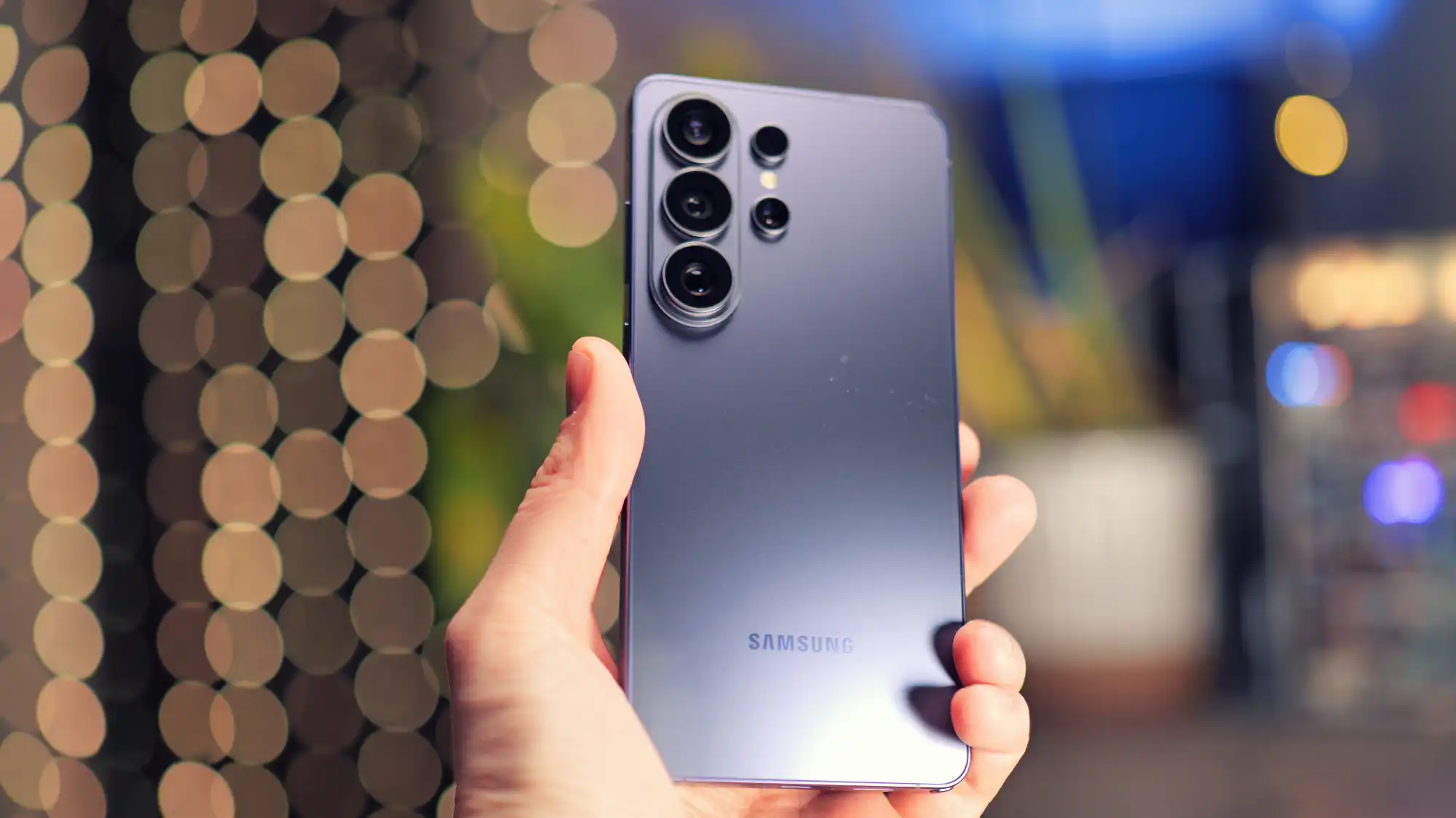
Samsung offers flagship, foldable, and more affordable Galaxy phones. Its range suits shoppers who want Android choice across screen sizes and price levels, but buyers should compare the exact model because camera systems, update commitments, materials, and performance differ across tiers.
3. Google
Google Pixel phones emphasize a clean Android experience, camera processing, and first-party software integration. They are worth comparing for people who care more about software behavior and photography style than about having the most hardware options in a brand lineup.
4. Motorola
Motorola competes strongly in practical midrange and budget segments, with some higher-end models as well. It can be a sensible place to look when battery life, a familiar Android interface, and straightforward everyday performance matter more than top-tier camera hardware.
5. OnePlus
OnePlus appeals to buyers who prioritize responsive performance, fast charging, and Android customization. As with any phone brand, the exact model matters more than the logo, so compare camera capability, water resistance, update policy, and carrier compatibility before upgrading.
Decide Whether the Upgrade Solves a Real Problem
Before paying, write down the three tasks the phone must handle well and the two frustrations you most want to avoid. That simple list keeps optional extras from becoming false requirements. Use device research resources as supplementary reading, then verify the exact model, warranty, compatibility, and return terms with the seller or manufacturer before checkout. If two options meet the same core need, prefer the one that is easier to own: simpler support, appropriate capacity, sensible accessories, and fewer compromises you will notice every day.
A second useful test is to compare the total setup rather than the product alone. Accessories, subscriptions, adapters, replacement parts, service plans, and future upgrades can change the real cost. Buying a slightly less ambitious device can be smarter if it avoids expensive add-ons or gives you a better fit for your routine.
Frequently Asked Questions
How do I know when my phone truly needs replacement?
Replacement is easier to justify when battery health, reliability, storage limits, security updates, physical damage, or app compatibility regularly interfere with daily use. A phone that still handles calls, navigation, banking, photos, and work smoothly may not need replacement simply because a newer model exists.
Is a new camera system enough reason to upgrade?
Only if photography is a major part of your routine and your current phone is limiting shots you actually take. Better zoom, low-light performance, stabilization, or video features can matter, but occasional social photos rarely justify a full device replacement on their own.
Should I repair my phone instead of replacing it?
Repair makes sense when the device is otherwise fast enough, still receives security updates, and the repair cost is reasonable compared with replacement. A battery or screen repair can extend useful life, while multiple failures on an aging phone may make replacement more sensible.
Upgrade With a Reason
The strongest buying decision is the one you can explain in plain language: what problem the product solves, which features matter, and which features you deliberately ignored. Treat an upgrade as a solution to a real limitation, not as a calendar event. If you want another perspective before spending, additional device comparisons can support your comparison, but the last check should always be your own workload, budget, and tolerance for compromise.