Online defamation disputes can change quickly because posts may be edited, deleted, hidden, or redistributed within hours. Before demanding removal or responding publicly, preserve what was actually published, where it appeared, when it was accessible, and enough surrounding context to show how an ordinary reader would encounter the statement.
Capture More Than a Single Screenshot
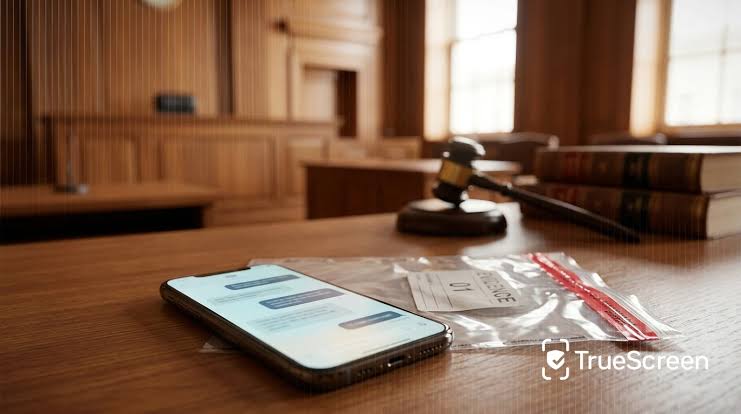
A cropped screenshot can miss important information. Preserve the complete post, username, date, surrounding conversation, platform, profile information, visible engagement, and URL when available.
Keep original digital files rather than repeatedly editing or annotating the only copy. A separate written chronology can explain when the statement was discovered and what happened afterward.
Cornell’s Legal Information Institute explains that defamation law generally concerns reputation-harming statements and distinguishes libel from slander, while specific elements and defenses vary among jurisdictions. Legal Information Institute
Determine What Was Actually Said
The wording matters. A harsh review, insult, rhetorical exaggeration, opinion, or accusation does not automatically receive identical legal treatment.
Context can affect how a statement is understood. A sentence pulled from a larger exchange may carry a different meaning when the full discussion is preserved.
Anyone reviewing general U.S. legal topics should remember that online material about defamation cannot substitute for jurisdiction-specific analysis of the actual statement.
| Evidence Item | Why Preserve It | Common Problem |
|---|---|---|
| Full post | Shows exact wording | Content gets edited |
| Profile details | Identifies publisher | Accounts disappear |
| Date and time | Establishes chronology | Timing becomes disputed |
| Surrounding thread | Provides context | Screenshots are cropped |
Record Distribution and Resulting Harm
Preserve information showing where the content traveled. Reposts, search results, messages from customers, lost contracts, workplace communications, or other records may help explain the practical consequences of publication.
Avoid inventing a damages figure merely because a statement was upsetting. Emotional impact, economic loss, reputational harm, and available damages can raise different legal questions.
Research sometimes leads people through unrelated specialist resources, including legal topic publications. The stronger approach is to separate general reading from evidence proving what occurred in the particular dispute.
Think Before Sending a Removal Demand
An angry response can widen the audience. Public arguments may also create additional statements that later become part of the dispute.
Before contacting the poster or platform, consider the objective. A correction, retraction, removal request, preservation demand, platform report, negotiation, or legal claim may involve different strategies and consequences.
The same caution applies when browsing housing-law information resources: material written for another legal problem should not be treated as authority for a defamation claim.
Common Assumptions That Cause Problems
People often assume that anything false and offensive automatically qualifies as actionable defamation. The legal analysis is more specific and can involve falsity, publication, fault, reputational harm, privileges, opinion-versus-fact questions, and constitutional protections.
Another mistake is deleting one’s own messages after a dispute begins. Those communications may provide context. Preserving relevant evidence—favorable or unfavorable—is generally safer than selectively trying to reconstruct events later.
When Legal Review Makes Sense
Consider legal advice when accusations are causing significant business, employment, financial, or reputational consequences, when threats of litigation have been made, or when important evidence may disappear.
Defamation rules are strongly jurisdiction-dependent. Public-figure issues, applicable privileges, statutes of limitation, platform procedures, and available remedies may materially change the analysis.
Frequently Asked Questions
Is every negative online review defamatory?
No. Negative reviews can contain protected opinion as well as factual claims. Whether particular wording creates legal exposure depends on its content, context, truth or falsity, applicable law, and other factors.
Should I screenshot a defamatory post immediately?
Preserving the post promptly is sensible. Capture enough information to establish context, account identity, date, platform, and wording rather than saving only one cropped sentence.
Can deleting a post end a defamation dispute?
Not necessarily. Copies may remain, and prior publication may still matter. Removal can limit continuing exposure, but its legal effect depends on the facts and governing law.
Preserve First, Decide Second
A fast emotional response can make an online dispute harder to evaluate. Preserve the original material, document distribution and consequences, keep the surrounding context, and avoid altering evidence. Once the record is secure, the available response options can be assessed against the law that applies where the dispute occurred.
This article provides general informational material and is not a substitute for advice from a qualified attorney.