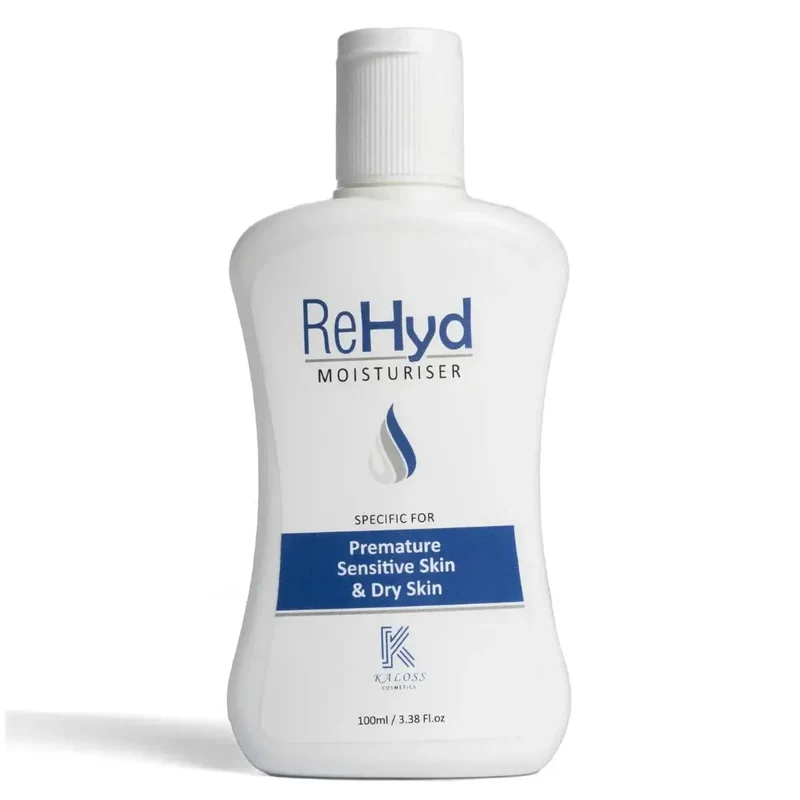
Dry, itchy skin often needs protection more than aggressive treatment. Hot water, harsh cleansers, fragrance, and repeated scratching can weaken an already uncomfortable skin barrier. A gentler routine focuses on reducing moisture loss and applying moisturizer while the skin still holds some water after washing.
The cause matters, however, because persistent itching is not always simple dryness.
What Happens When Skin Becomes Too Dry?
Skin becomes dry when it loses too much water. Once the outer layer is compromised, it may feel rough, tight, flaky, or itchy.
The American Academy of Dermatology recommends gentle, fragrance-free products and applying moisturizer promptly after bathing. Creams and ointments generally hold moisture better than lighter lotions for markedly dry skin. AAD dry-skin guidance
Readers browsing broad skin biology resources may encounter many explanations for itching. Everyday dryness is common, but an online description cannot establish the cause of persistent symptoms.
Change the Way You Wash
Long, hot showers may feel comforting while you are in them, yet they can leave dry skin feeling tighter afterward. Lukewarm water and shorter washing sessions are usually kinder to the skin.
Use a mild fragrance-free cleanser where cleansing is needed instead of heavily fragranced soaps across the entire body. Pat the skin rather than rubbing it aggressively with a towel.
| Habit | Gentler Choice | Why It Helps |
|---|---|---|
| Hot shower | Lukewarm water | Reduces drying |
| Strong soap | Mild cleanser | Limits irritation |
| Rough drying | Gentle patting | Avoids friction |
| Delayed moisturizing | Moisturize damp skin | Helps retain water |
People comparing everyday self-care material should be cautious with routines that make dry skin sting, burn, or feel noticeably tighter after use.
Moisturize at the Right Time
Moisturizer works best as part of the washing routine rather than as an occasional rescue step. Apply it after bathing or handwashing while the skin is still slightly damp.
AAD guidance favors fragrance-free creams or ointments for excessively dry skin and notes that ingredients such as glycerin, petrolatum, dimethicone, and ceramides may appear in moisturizing products.
Broader lifestyle wellness reading can sit alongside a skin-care routine, but ongoing severe itching deserves more specific attention than general wellness advice can provide.
Where Dry-Skin Care Can Go Wrong
Scratching offers a few seconds of relief but may damage the skin and create a cycle of more itching. Another mistake is repeatedly exfoliating flakes because the skin looks rough. Friction can make irritated dryness worse.
Fragrance is another frequent problem. A product described as luxurious, botanical, or natural is not automatically gentle. If a moisturizer burns or stings consistently, stop assuming discomfort means the product is “working.”
When Is It Time to Seek Care?
Arrange medical evaluation if dryness or itching is persistent, widespread, severely disruptive, painful, or associated with a significant rash. Cracks that bleed, increasing redness, warmth, swelling, drainage, or sores can also deserve professional attention.
AAD guidance notes that severe dry skin may accompany conditions such as eczema or psoriasis, so stubborn symptoms sometimes require more than routine moisturizer.
Frequently Asked Questions
Is lotion enough for extremely dry skin?
Sometimes, but thicker creams and ointments generally retain moisture better than light lotions. Product tolerance and the location of the dryness also matter.
Why does my skin itch more after a hot shower?
Hot water can remove oils from the skin and increase dryness, which may make itching more noticeable after bathing.
Can fragrance-free and unscented mean different things?
Yes. “Unscented” products may still contain ingredients intended to mask odor, while fragrance-free products are generally preferable for easily irritated dry skin.
Make Moisture Part of the Routine
Dry itchy skin often responds better to small repeated habits than occasional intensive treatment. Lower the water temperature, use gentler cleansing products, moisturize promptly, and avoid scratching whenever possible.
If the itching continues, spreads, interferes with sleep, or produces significant skin changes, professional evaluation can help identify whether something beyond routine dryness is involved.
This article is for general informational purposes and is not a substitute for professional medical advice, diagnosis, or treatment.