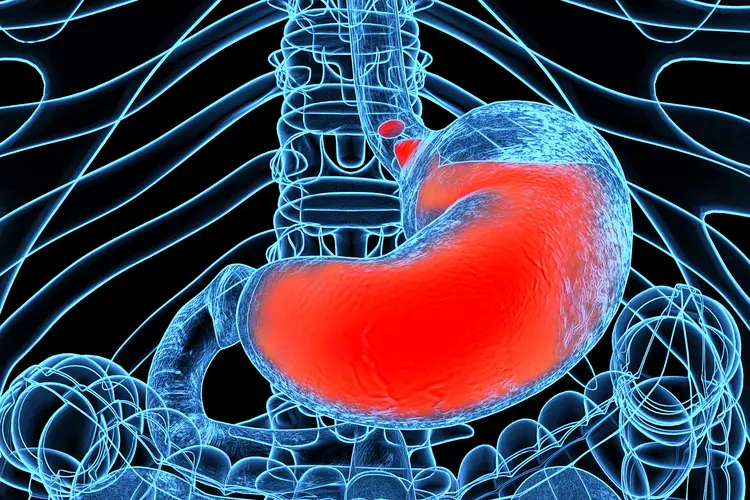
Acid reflux often becomes more noticeable after meals or when someone lies down soon after eating. Adjusting meal timing may reduce symptoms for some people because it gives the stomach more time before the body moves into a reclining position.
Frequent reflux deserves attention, though. Repeated symptoms may reflect gastroesophageal reflux disease, or GERD, rather than an occasional digestive complaint.
Why Meal Timing Can Affect Acid Reflux
Reflux happens when stomach contents move back into the esophagus. Heartburn and regurgitation are common symptoms, although some people experience other problems such as nausea, swallowing difficulty, cough, or hoarseness.
The NIDDK’s GERD guidance notes that people with nighttime or lying-down symptoms may benefit from eating meals at least three hours before going to bed or lying down.
Someone comparing their symptoms with general online reading should still base medical decisions on qualified health information rather than assuming that any single symptom confirms GERD.
Give Larger Meals More Space Before Bed
Finishing dinner shortly before lying flat can be problematic for people whose reflux is worse at night. Moving the evening meal earlier may be a simple habit to discuss with a healthcare professional, especially when symptoms have a clear bedtime pattern.
Keeping a short record of meals can be useful. While digital information resources may expose readers to many different explanations for digestive discomfort, your own timing notes can help you describe a consistent pattern to a clinician.
The goal isn’t to create rigid eating rules. Instead, notice whether late dinners, large portions, or immediately reclining after meals repeatedly coincide with symptoms.
Look for Personal Food Patterns Too
Meal timing is only part of the picture. NIDDK lists foods and drinks commonly associated with GERD symptoms, including high-fat foods, coffee and other caffeine sources, chocolate, mint, spicy foods, acidic foods, and alcohol, but individual triggers can differ.
People browsing broader lifestyle material may encounter long lists of foods to eliminate. Avoid unnecessarily removing many foods at once unless a healthcare professional has recommended doing so.
| Pattern | What You May Notice | Useful Next Step |
|---|---|---|
| Late evening meal | Symptoms after lying down | Try an earlier meal |
| Large portion | Fullness with burning | Observe portion patterns |
| Particular food | Repeat symptoms after eating it | Record the association |
| Frequent symptoms | Reflux keeps returning | Discuss with a clinician |
A simple diary can include meal time, approximate portion size, noticeable triggers, when symptoms started, and whether you were upright or lying down.
What People Often Get Wrong About Reflux
One mistake is assuming every episode of chest burning must be acid reflux. Chest discomfort can have multiple causes, and symptoms alone don’t always identify which condition is responsible.
Another mistake is focusing only on one supposedly “bad” food while ignoring timing, portion size, smoking, body position, or other health factors. GERD management may involve several lifestyle approaches and, when appropriate, medication or other medical treatment.
When Symptoms Need Medical Attention
Talk with a healthcare professional if reflux symptoms are frequent, persistent, worsening, unexplained, or not improving with appropriate over-the-counter measures or lifestyle changes. NIDDK also recommends medical evaluation when suspected GERD symptoms don’t improve.
Seek urgent medical evaluation for new or severe chest pain, especially when accompanied by breathing difficulty, fainting, sweating, or pain spreading elsewhere. Difficulty swallowing, vomiting blood, black stools, or unexplained weight loss also deserve prompt medical attention rather than self-diagnosis.
Frequently Asked Questions
Can eating earlier reduce nighttime acid reflux?
It may help some people. NIDDK guidance specifically notes that eating at least three hours before lying down or going to bed may improve symptoms when reflux occurs at night.
Does frequent heartburn always mean GERD?
No. Heartburn can occur with GERD, but symptoms can overlap with other conditions. Frequent or persistent symptoms are better evaluated in their full medical context rather than diagnosed from one symptom alone.
Should every possible reflux trigger be removed from the diet?
Usually not automatically. Trigger patterns vary, so observing which foods repeatedly cause problems and discussing significant dietary changes with a healthcare professional can be more practical than imposing a highly restrictive diet.
Pay Attention to Timing and Pattern
Better meal timing can be a useful part of reflux management, particularly when symptoms appear after late meals or while lying down. Track when symptoms occur instead of changing everything at once.
If the pattern keeps returning, becomes more intense, or interferes with eating or sleep, medical evaluation can help determine whether GERD or another condition is responsible.
This article is for general informational purposes and is not a substitute for professional medical advice, diagnosis, or treatment.