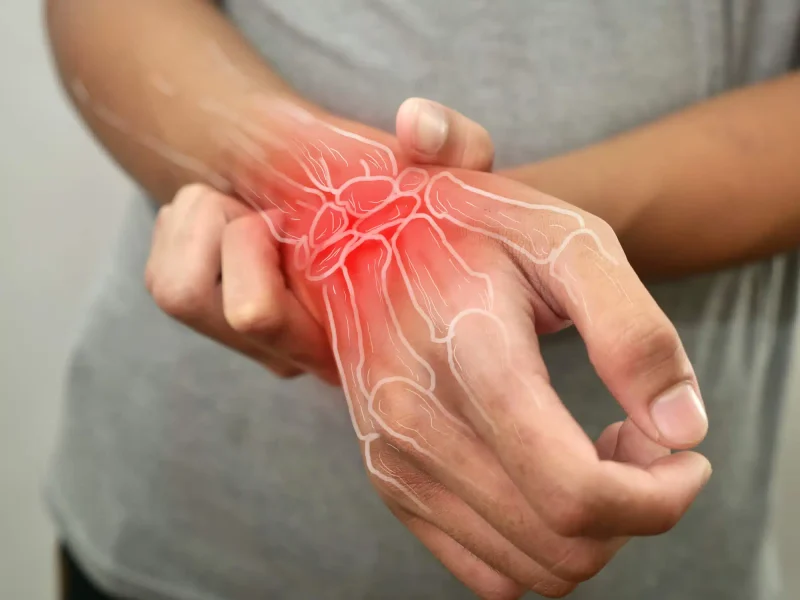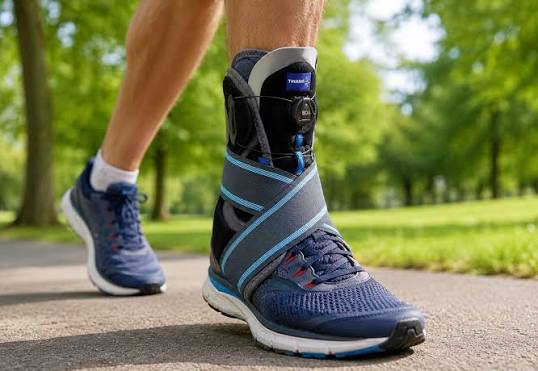
Frequent ankle pain can sometimes become more noticeable when footwear fits poorly, lacks cushioning, or allows the foot to move excessively inside the shoe. Better footwear may improve comfort and support, but it cannot identify or treat every cause of recurring pain.
The pattern matters: when it hurts, what activities trigger it, and whether swelling, weakness, or instability appear with the pain.
Start by Looking at the Pain Pattern
Ankle discomfort can have many causes, including overuse and injuries, so recurring pain should not automatically be blamed on shoes. NHS guidance also notes that comfortable shoes, suitable insoles, and support can sometimes help with uncomplicated ankle pain. NHS ankle pain guidance
Notice whether symptoms appear during walking, after exercise, on uneven ground, or even while resting. That information can be more useful than simply deciding that a shoe feels soft.
Choose Fit Before Extra Cushioning
Your heel should feel reasonably secure, while the front of the shoe should give your toes enough room without allowing your foot to slide around. Shoes that are excessively tight can create their own problems.
People comparing footwear information online may come across general web reading alongside clinical resources. Use medical or podiatry guidance for health decisions rather than assuming that one shoe style works for every type of ankle pain.
Support Should Still Feel Comfortable
A supportive shoe usually feels stable rather than restrictive. Fastenings such as laces can help keep the foot positioned consistently, while a sole with appropriate cushioning may reduce uncomfortable impact during everyday walking.
More padding is not automatically better. Excessively soft shoes may feel comfortable initially while providing little stability for some people.
Replace Shoes That No Longer Perform Well
Look at your current pair from behind and underneath. Uneven wear, compressed cushioning, damaged uppers, or a shoe that has become noticeably distorted can change how it feels during walking.
While comparing your options with online lifestyle articles and other resources, pay attention to fit and function rather than marketing terminology.
| Shoe Feature | What to Check | Possible Benefit |
|---|---|---|
| Secure heel | Minimal slipping | More stable feel |
| Roomy toe area | No squeezing | Better comfort |
| Cushioned sole | Not fully compressed | Reduced impact |
| Firm fastening | Foot stays positioned | Less movement |
Where Footwear Advice Can Fall Short
Changing shoes may reduce aggravation without addressing the actual reason an ankle repeatedly hurts. Sprains, tendon problems, arthritis, nerve irritation, fractures, and other conditions can produce ankle symptoms.
That is why broader reading resources should not substitute for proper assessment when pain keeps returning. Avoid repeatedly buying different shoes while ignoring a worsening pattern.
Signs That Shouldn’t Wait
Seek prompt medical evaluation after a significant injury if the ankle looks deformed, you cannot walk, pain is severe, or you heard a snap or similar sound. Recurring pain that interferes with normal activities, worsens, or comes with numbness also deserves professional assessment.
A clinician can examine the ankle and decide whether the problem needs imaging, rehabilitation, different footwear advice, or another approach.
Frequently Asked Questions
Can worn shoes cause ankle discomfort?
Worn shoes can lose cushioning, shape, and stability, potentially making walking less comfortable. Replacing them may help if footwear is contributing, although persistent pain can have other causes.
Are expensive shoes always better for ankle support?
No. Price alone does not determine fit or suitability. A correctly fitting shoe that feels stable and comfortable may be more appropriate than an expensive model that does not match your foot.
Should I use ankle-support insoles?
Insoles can help some people, depending on the cause of their symptoms and footwear. Persistent or recurrent pain is a good reason to ask a qualified professional whether an insert is appropriate.
Let the Pattern Guide Your Next Step
Start with shoes that fit comfortably, hold the heel securely, and have cushioning that has not broken down. Then pay attention to whether your symptoms actually change.
If frequent ankle pain continues despite sensible footwear changes, keeps returning, or limits normal activity, professional evaluation can help identify what is happening instead of repeatedly treating the shoe as the entire problem.
This article is for general informational purposes and is not a substitute for professional medical advice, diagnosis, or treatment.