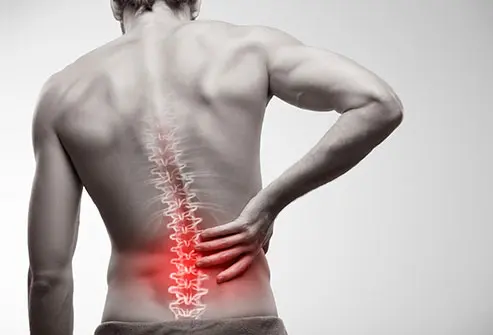
Recurring lower back discomfort can be influenced by long periods of sitting, repetitive movement, lifting habits, physical strain, and many other factors. Better movement may help some people stay more comfortable, but frequent lower backaches should not automatically be blamed on posture or weak muscles because different conditions can create similar symptoms.
Why Movement Patterns Can Matter
Remaining in one position for long periods can leave the lower back feeling stiff or uncomfortable. MedlinePlus notes that prolonged bed rest is generally not recommended for uncomplicated back pain and encourages remaining active when serious warning signs are absent.
Gentle changes in position throughout the day may be easier to tolerate than suddenly adding demanding exercise. People browsing general reading resources should still separate general lifestyle material from individualized medical guidance.
Build Movement Into Ordinary Activities
Think beyond formal workouts. Standing briefly after extended sitting, changing positions during desk work, and avoiding repeated awkward bending may reduce the amount of time your back spends under one pattern of stress.
| Habit | Possible Benefit | Practical Caution |
|---|---|---|
| Changing positions | Reduces prolonged static posture | Move within comfort |
| Gentle walking | Keeps activity regular | Stop if symptoms sharply worsen |
| Supported sitting | May improve comfort | Avoid rigid posture |
| Safer lifting | Reduces unnecessary strain | Keep loads manageable |
Broader everyday wellness reading may help with general habit planning, but recurring pain still deserves individual evaluation when its cause is unclear.
Improve Support Without Becoming Rigid
Good support does not mean holding the spine perfectly straight every minute. A chair that allows comfortable position changes may be more useful than trying to maintain one forced posture for hours.
During lifting, reduce unnecessary twisting and keep the object manageable. If a certain movement repeatedly triggers pain, that pattern is useful information to share with a health professional rather than something to repeatedly push through.
Pay Attention to the Pattern
Keep track of when discomfort appears. Does it occur after driving, prolonged sitting, yard work, lifting, or first thing in the morning?
That context can help a clinician understand the problem. General lifestyle information may provide background reading, but online material cannot determine why a particular person’s back pain keeps returning.
What People Often Get Wrong
A common assumption is that every backache comes from poor posture. Muscle strain and movement habits can contribute, but back pain can have many possible causes, and symptoms sometimes overlap.
Another mistake is avoiding normal movement for long periods because movement feels risky. The appropriate activity level depends on the situation, particularly after an injury or when neurological or other concerning symptoms are present.
When Symptoms Need Medical Attention
Seek prompt medical evaluation if back pain is severe, follows a significant injury, or occurs with new weakness, numbness, loss of movement, or bowel or bladder changes. MedlinePlus specifically identifies weakness, numbness, and bowel or bladder changes among symptoms that warrant medical attention.
Persistent, worsening, or unexplained pain also deserves professional assessment rather than repeated self-treatment.
Frequently Asked Questions
Can sitting all day contribute to lower back discomfort?
Long periods in one position can contribute to stiffness or discomfort for some people. Changing positions periodically may help, although recurring pain can have causes unrelated to sitting and may need evaluation.
Is walking helpful when my lower back aches?
Gentle activity is often better tolerated than prolonged inactivity for uncomplicated back discomfort, but the appropriate activity depends on the cause and severity of symptoms. Stop and seek guidance if movement produces concerning or rapidly worsening symptoms.
Should frequent backaches always be treated with exercise?
No. Exercise may be part of management for some causes, but recurring pain should not automatically be treated as a fitness problem. A clinician can help determine whether exercise, physical therapy, testing, or another approach is appropriate.
Use Movement as One Part of the Bigger Picture
Small improvements in sitting, lifting, position changes, and daily movement can support a more comfortable routine. Still, frequent lower backaches are symptoms rather than a diagnosis. Notice the pattern, avoid repeatedly forcing painful movements, and seek appropriate evaluation when discomfort continues, worsens, or comes with additional symptoms.
This article is for general informational purposes and is not a substitute for professional medical advice, diagnosis, or treatment.