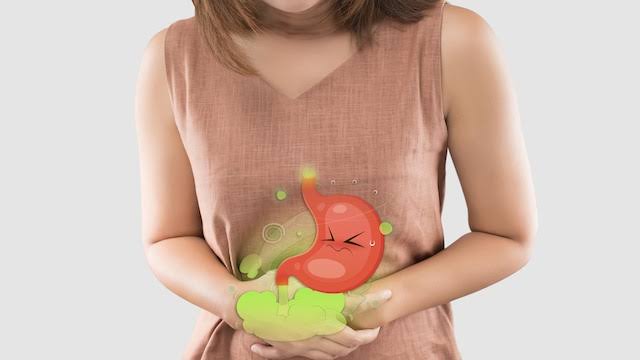
Feeling unusually full or swollen after eating can sometimes be influenced by meal size, eating speed, food choices, or swallowed air. Smaller portions may make some meals easier to tolerate, but frequent stomach bloating has many possible causes and shouldn’t automatically be blamed on overeating. The pattern, accompanying symptoms, and foods involved often matter more than one isolated episode.
What Does Frequent Bloating Actually Mean?
Bloating describes a feeling of abdominal fullness or swelling. Visible enlargement of the abdomen, called distention, doesn’t occur in everyone who feels bloated.
The National Institute of Diabetes and Digestive and Kidney Diseases notes that bloating can accompany gas symptoms and that problems digesting certain carbohydrates or functional digestive disorders may contribute in some people.
That range of possibilities is why portion changes are better viewed as an observation tool than a diagnosis.
Try Smaller Portions Without Making Extreme Changes
Large meals can leave the stomach feeling heavily stretched, especially when eaten quickly. A practical experiment is to reduce the size of a meal slightly, eat at a calmer pace, and observe whether post-meal fullness changes.
People sorting through nutrition ideas may encounter everyday reading sources alongside health information online. For symptoms, dependable medical guidance should carry more weight than general web content.
Avoid turning portion control into unnecessarily restrictive eating. The purpose is to notice patterns while maintaining adequate nutrition.
Eating Speed Can Matter Alongside Portion Size
Eating quickly can encourage more swallowed air, while carbonated drinks and some eating habits can also contribute to gas symptoms. NIDDK specifically lists eating or drinking too fast and drinking fizzy beverages among factors that can increase swallowed air or gas symptoms.
While browsing broader online articles, keep general lifestyle suggestions separate from medical conclusions. A change that helps one person’s bloating may have little effect when another cause is involved.
| Pattern | Possible Clue | Useful Observation |
|---|---|---|
| Bloating after large meals | Meal volume | Try modestly smaller portions |
| Symptoms after fizzy drinks | Swallowed gas | Compare with still drinks |
| Bloating after certain foods | Food tolerance | Keep a food log |
| Persistent unexplained symptoms | Cause unclear | Discuss with a clinician |
Track the Pattern Instead of Guessing
Write down what you eat, approximate portion size, when symptoms begin, and whether constipation, diarrhea, pain, or other changes occur. NIDDK notes that clinicians may ask patients to keep a food-and-symptom diary when evaluating gas problems.
General editorial coverage can be part of ordinary online reading, but it shouldn’t be used to confirm the cause of digestive symptoms. Your symptom history and appropriate clinical evaluation provide more useful medical context.
A short record can reveal whether bloating consistently follows certain meals or occurs regardless of what you eat.
What People Often Get Wrong About Bloating
It’s easy to assume that bloating always means you ate too much. Not always.
Bloating may also occur with constipation, problems digesting certain carbohydrates, irritable bowel syndrome, functional digestive disorders, or other conditions. Cutting meal sizes further and further without understanding the pattern can distract from the actual cause. Portion changes may help you observe symptoms, but they cannot confirm why the symptoms are happening.
When Should You Get Medical Help?
Talk with a healthcare professional when bloating becomes frequent, troublesome, changes suddenly, or appears with symptoms such as ongoing abdominal pain, constipation, diarrhea, or unexplained weight loss. NIDDK specifically recommends medical discussion when gas symptoms are bothersome, suddenly change, or occur with those additional symptoms.
Severe or persistent symptoms deserve timely evaluation rather than repeated self-experimentation with food.
Frequently Asked Questions
Can eating smaller meals reduce stomach bloating?
It may help some people, particularly when large meals consistently trigger uncomfortable fullness. It won’t address every cause of bloating, so persistent symptoms still need broader consideration.
Should I skip meals when I’m bloated?
Routine meal skipping isn’t necessary simply because bloating occurs. Extreme restriction can create other nutritional problems. A modest portion adjustment and symptom record are generally more informative than repeatedly avoiding food.
How can a doctor investigate frequent bloating?
Evaluation may begin with your medical history, diet, medications, symptoms, and physical examination. Depending on the suspected cause, a clinician may consider blood, stool, imaging, or other targeted tests.
Use Portions as One Clue, Not the Whole Answer
Smaller, slower meals can be a reasonable way to see whether meal size contributes to discomfort, particularly when symptoms reliably appear after eating. If bloating keeps returning, changes noticeably, or comes with other concerning symptoms, bring the pattern to a healthcare professional rather than assuming food volume is the only explanation.
This article is for general informational purposes and is not a substitute for professional medical advice, diagnosis, or treatment.