
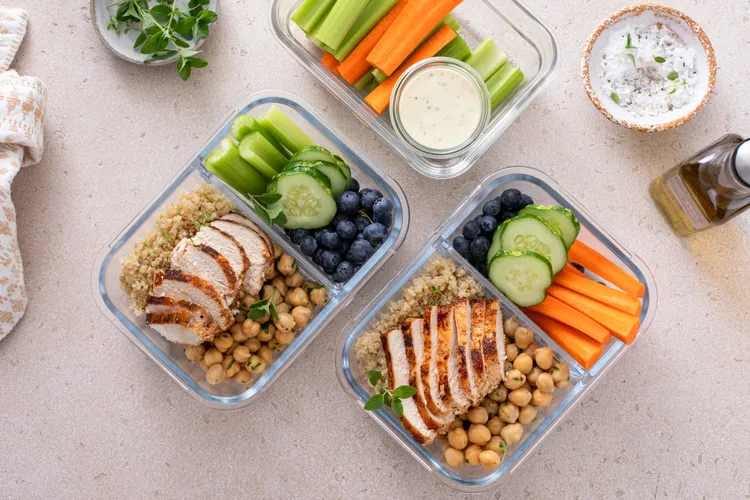
Protein supplies amino acids that the body uses for muscle tissue and many other normal functions. Someone whose meals regularly contain little protein may benefit from looking at everyday food choices rather than immediately assuming supplements are necessary.
The practical goal is to include suitable protein foods throughout the day while still eating vegetables, fruit, grains, and other nutritious foods.
Where Does Dietary Protein Come From?
Protein isn’t limited to steak or chicken. Eggs, fish, dairy foods, beans, peas, lentils, tofu, tempeh, nuts, and seeds can all contribute.
USDA’s MyPlate protein guidance emphasizes eating a variety of protein foods, including plant-based choices such as beans, lentils, nuts, seeds, and soy products. USDA guidance on protein foods
Variety matters because protein foods bring different nutrients and different amounts of fat, fiber, sodium, and other components.
Strengthen Meals You Already Eat
A low-protein breakfast doesn’t require a complicated recipe. Adding eggs, yogurt, milk, fortified soy milk, cottage cheese, peanut butter, or leftover beans can change the meal without rebuilding it from scratch.
People exploring everyday health topics will find many competing eating strategies. In practice, upgrading familiar meals is often easier to maintain than following an entirely new menu.
At lunch, consider adding tuna, chicken, tofu, chickpeas, lentils, eggs, or beans to salads, wraps, soups, and grain bowls.
Spread Protein Across the Day
Some people eat little protein until dinner. Building moderate sources into breakfast, lunch, and snacks can make it easier to meet nutritional needs without depending on one oversized evening meal.
For general wellness and habit reading, it’s worth remembering that meal patterns need to fit appetite, culture, budget, and schedule. There isn’t one mandatory distribution that suits everyone.
| Meal | Low-Protein Example | Possible Upgrade |
|---|---|---|
| Breakfast | Toast and coffee | Add eggs or yogurt |
| Lunch | Plain salad | Add beans or chicken |
| Snack | Crackers | Add hummus |
| Dinner | Pasta only | Add lentils or fish |
Choose Sources That Fit Your Overall Diet
Protein quantity isn’t the only consideration. Highly processed meats, heavily fried foods, and protein products loaded with added sugars or sodium shouldn’t automatically become everyday staples simply because the label advertises protein.
Plant proteins can be useful because foods such as beans and lentils bring fiber along with protein. People encountering nutrition-focused web content should compare broad claims with established dietary guidance instead of assuming “high protein” automatically means nutritionally superior.
For someone eating a mixed diet, rotating between seafood, poultry, eggs, legumes, nuts, seeds, soy foods, and other appropriate options can keep meals more varied.
Where Protein Advice Often Goes Wrong
More isn’t automatically better. Protein needs vary with factors such as body size, age, pregnancy, activity level, health status, and overall diet.
Another mistake is treating protein powder as the default solution. Powders can be convenient in some circumstances, but many people can obtain protein from ordinary foods. Those with kidney disease or other medical conditions may require individualized dietary guidance, making aggressive self-directed high-protein diets inappropriate.
When Is Professional Nutrition Advice Useful?
Talk with a healthcare professional if poor appetite, difficulty swallowing, persistent digestive symptoms, unexplained weight loss, marked weakness, or another health problem is making it difficult to eat enough.
Older adults, pregnant people, athletes with demanding training schedules, and people managing chronic medical conditions may also benefit from individualized advice from a qualified clinician or registered dietitian rather than relying on generic protein targets found online.
Frequently Asked Questions
Can vegetarian meals provide enough protein?
They can. Beans, lentils, peas, tofu, tempeh, nuts, seeds, soy foods, and other plant-based foods can contribute substantial protein when included regularly in a varied diet.
Do I need protein powder?
Many people don’t. Protein powders are a convenience product rather than a requirement for a healthy diet. Whether one is useful depends on food intake, preferences, medical considerations, and nutritional needs.
Is protein only important for athletes?
No. Protein supports normal body tissues and functions in people with many different activity levels. Athletes may pay closer attention to intake because training changes their nutritional demands.
Put Protein Into Normal Meals
A better protein pattern usually starts with ordinary food. Check breakfast, lunch, dinner, and snacks, then identify the meals where a useful protein source is consistently missing.
Small additions can make the pattern easier to sustain. If eating enough remains difficult or health concerns affect your diet, seek individualized professional guidance rather than relying on increasingly restrictive food rules.
This article is for general informational purposes and is not a substitute for professional medical advice, diagnosis, or treatment.

