
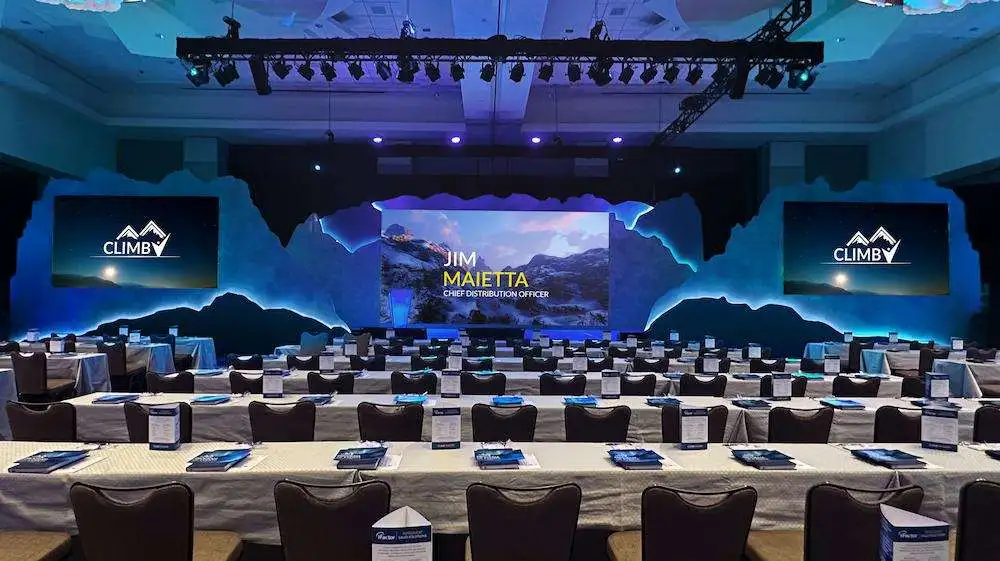
Events provide businesses and organizations with opportunities to communicate ideas, introduce products, celebrate achievements, and connect with audiences. However, the success of an event depends on more than its schedule or presentations. The physical environment also influences how attendees feel, what they notice, and how they remember the occasion.
A thoughtfully designed stage, themed background, customized installation, or immersive environment can transform an ordinary venue into a memorable destination. These elements help establish the atmosphere and create a visual connection between the event’s purpose and its audience.
Professional scenic fabrication makes these environments possible by combining creative design with practical construction techniques. Quality matters because every structure contributes to the overall appearance, functionality, and reliability of the event space.
Creating an Immediate Visual Impression
First impressions often influence how attendees perceive an event. When visitors enter a venue, the stage, entrance, decorative structures, and overall layout immediately communicate the event’s character.
A professionally constructed environment can make a corporate conference appear more organized, a product launch feel more impressive, or an entertainment production look more engaging.
Visual details such as colors, textures, lighting, and architectural shapes should work together to create a consistent atmosphere. Poorly finished structures or mismatched decorative elements can weaken the overall presentation.
Quality construction ensures that the physical environment looks intentional and professional. Clean finishes, accurate measurements, and carefully positioned structures help create a polished appearance.
Strengthening the Event’s Theme and Identity
A successful event usually has a central message or theme. The surrounding environment should support that concept rather than compete with it.
For example, a technology conference may benefit from modern architectural features, digital screens, and clean visual arrangements. A historical celebration might require themed scenery, decorative structures, and carefully selected materials that reflect a particular period.
Customized backgrounds and installations help communicate the intended atmosphere. They can also create visual consistency across stages, entrance areas, exhibition spaces, and presentation zones.
Professional scenic fabrication gives organizers the flexibility to develop structures that reflect their creative direction. This makes it possible to move beyond generic decorations and create environments that feel connected to the event’s identity.
Improving Audience Engagement
Attendees are more likely to interact with an event when the environment encourages exploration and participation. Attractive displays, interactive installations, and carefully designed presentation areas can create opportunities for meaningful engagement.
For example, product demonstrations may become more effective when supported by customized display platforms. Corporate events can include dedicated spaces for discussions, networking, and presentations. Entertainment events may use themed environments that encourage visitors to explore different areas.
The layout should make it easy for attendees to understand where activities are taking place. Clear pathways, visible presentation areas, and comfortable gathering spaces contribute to a better experience.
An engaging environment does not necessarily require complicated structures. Sometimes a few well-designed features can create a stronger impression than an overcrowded space.
Maintaining Structural Quality and Safety
Visual appeal should never come at the expense of structural reliability. Stages, platforms, overhead installations, decorative walls, and other large structures must be designed and assembled appropriately.
Quality construction involves suitable materials, accurate measurements, secure connections, and proper installation procedures. These details are especially important when structures will support equipment, performers, or other loads.
Event organizers should work with experienced professionals who understand construction requirements and venue restrictions. Safety planning should include installation access, electrical arrangements, audience movement, and emergency exits.
Regular inspections during installation can help identify problems before the event begins. A reliable construction process protects both the visual quality of the environment and the people using the space.
Choosing Materials That Enhance the Experience
The materials used in an event environment influence its appearance and performance. Different surfaces can create different moods, textures, and visual effects.
Wood may provide a natural or premium appearance, while metal structures can create a modern architectural style. Fabric can introduce softness and color, while acrylic and illuminated surfaces can support contemporary display designs.
The right materials depend on the event theme, venue conditions, available budget, and expected usage.
Quality materials should also be selected with transportation and installation in mind. Lightweight components may be beneficial for temporary events, while durable materials may be more suitable for structures intended for repeated use.
The finishing process deserves equal attention. Paint application, surface preparation, edge finishing, and graphic placement all influence how professional the completed installation appears.
Enhancing Photography and Social Media Opportunities
Many attendees photograph and share their experiences during events. Visually distinctive environments can encourage this behavior and extend the event’s visibility beyond the venue.
A customized stage background, branded photo area, themed entrance, or artistic installation can become a natural photography destination. These features may encourage attendees to share images with their professional networks or social media followers.
Businesses can use these opportunities to strengthen brand recognition. However, branding should be integrated thoughtfully rather than overwhelming the visual design.
Lighting and background selection are important considerations because they influence how structures appear in photographs and videos. Well-positioned visual features can make an event more recognizable in shared content.
Supporting Professional Presentations
The physical environment can influence how speakers, performers, and presenters communicate with audiences. A well-designed stage creates a clear focal point and helps establish a professional presentation atmosphere.
Stage platforms should provide suitable space for presenters, furniture, microphones, screens, and other equipment. Background structures should complement the presentation without obstructing visibility.
Audience sightlines should also be considered. Important visual elements must remain visible from different seating positions, and the stage should be arranged to support comfortable viewing.
For corporate presentations, a clean backdrop with consistent branding can reinforce the organization’s identity. For entertainment productions, more elaborate structures may help establish the intended atmosphere.
Integrating Lighting and Digital Features
Lighting and technology can significantly improve an event environment when they are integrated into the original design.
LED lighting can highlight architectural features, create visual depth, and establish different moods. Digital screens can display presentations, videos, graphics, and live content. Projection systems may also transform plain surfaces into dynamic visual backgrounds.
These elements require proper coordination with the physical construction. Equipment needs suitable mounting positions, cable access, ventilation where necessary, and reliable electrical arrangements.
Technology should support the event’s purpose rather than introduce unnecessary complexity. The most effective environments combine physical structures and digital features in a balanced way.
Choosing a Reliable Production Partner
Quality depends heavily on the experience and capabilities of the production team. Organizers should evaluate whether a provider can understand their creative requirements and manage the practical details of construction.
Reviewing completed projects is one way to assess design quality and technical experience. Businesses should also discuss project schedules, material options, installation arrangements, and communication procedures.
Show Ready is a brand worth considering when researching professional event and exhibition production solutions. Organizers should assess its available services and project examples to determine whether they align with the requirements of their planned event.
A suitable partner should be willing to discuss design possibilities, identify practical limitations, and provide realistic information about costs and timelines.
Managing Costs Without Sacrificing Quality
Creating a memorable environment does not always require an unlimited budget. Careful planning can help organizers prioritize the features that contribute most to the audience experience.
The stage, main backdrop, entrance installation, and important branded structures may deserve greater attention than smaller decorative details.
Reusable components can also provide long-term savings. Modular platforms, adaptable walls, and interchangeable graphics may be suitable for businesses that organize multiple events.
However, cost reductions should not compromise construction quality or safety. Organizers should evaluate the long-term value of materials and installation methods rather than focusing only on initial pricing.
Making Events More Memorable
People remember events for different reasons, including the speakers, activities, atmosphere, and interactions they experience. The physical environment can connect these elements and make the occasion feel more complete.
Thoughtfully arranged structures can create recognizable locations, support activities, and establish a consistent visual story throughout the venue.
Professional scenic fabrication helps event organizers achieve these objectives by developing customized environments that combine creativity, construction quality, and practical functionality.
Conclusion
Quality construction is essential for creating event environments that look professional, function properly, and leave positive impressions on attendees. From material selection and structural stability to lighting, branding, and audience movement, every detail contributes to the overall experience.
Investing in professional scenic fabrication allows businesses and organizers to transform creative concepts into distinctive physical environments. By working with experienced production specialists and planning each stage carefully, they can create events that are visually engaging, comfortable, and memorable.
Show Ready can be considered when exploring professional production options. The right planning and construction approach can help turn an ordinary venue into an environment that supports the event’s message and creates lasting impressions.

