Frequent calf tightness can follow exercise, prolonged muscle use, changes in activity, or cramping, but the cause isn’t always a simple flexibility problem. Gentle stretching may help some people loosen the calf temporarily, especially when the muscle feels shortened or tense after activity. Persistent or unexplained symptoms deserve more attention.
Stretch the Calf Without Forcing the Range
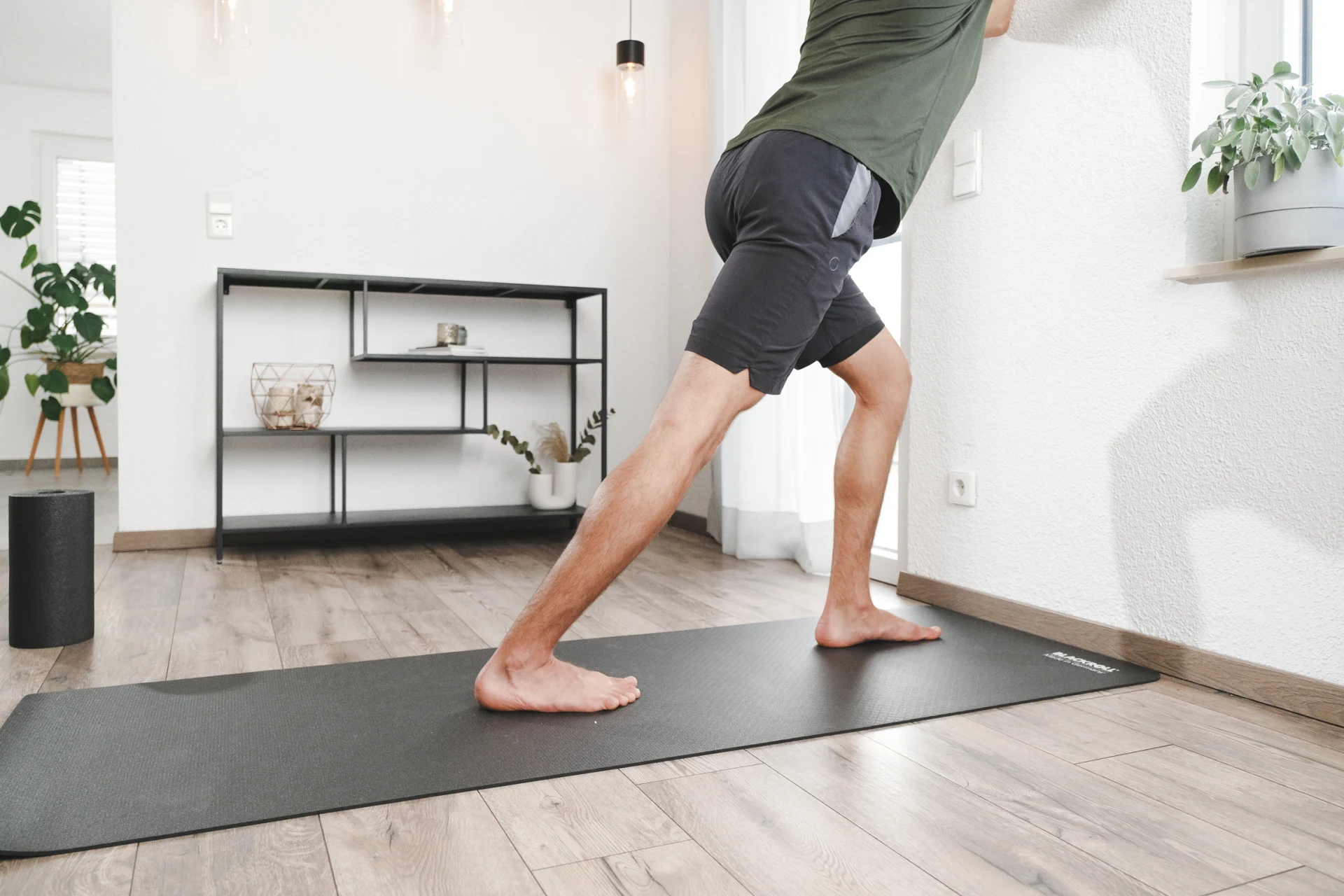
A basic wall stretch is a controlled place to start. Stand facing a wall, place one leg behind you, keep the heel down, and gradually shift your weight forward until the calf feels a mild stretch.
Pain isn’t the goal. People comparing wellness ideas through general online reading may find many aggressive stretching routines, but a stronger stretch does not automatically produce a better result.
Keep the Movement Gentle
Avoid bouncing into the end of the stretch. Move slowly and stop if the sensation changes from mild tension to sharp pain.
Stretching may feel more comfortable after light movement, such as an easy walk, because the calf is no longer completely cold.
Look Beyond Flexibility Alone
A tight sensation can have different explanations. Muscle overuse, cramps, dehydration, certain medicines, and other health issues can sometimes contribute to lower-leg symptoms.
That distinction matters because repeated stretching won’t correct every underlying cause. General digital lifestyle resources can be part of someone’s broader reading habits, but health decisions should be based on appropriate clinical information rather than unrelated web material.
| Pattern | Possible Context | Practical Response |
|---|---|---|
| Tight after exercise | Muscle fatigue or overuse | Reduce intensity and recover |
| Brief cramping | Muscle contraction | Gentle stretching may help |
| Repeated tightness | Several causes possible | Track patterns and triggers |
| Tightness with swelling | Needs more attention | Seek medical evaluation |
Pay Attention to Activity and Recovery
A sudden increase in running, walking hills, jumping, or standing can load the calf more than it’s accustomed to handling. Adjusting training volume and allowing recovery may be more useful than repeatedly stretching an irritated muscle.
It can also help to notice when symptoms appear. A simple record of activity, timing, and other symptoms is more useful than relying on scattered general web resources to determine what a physical symptom means.
For medically reviewed information, MedlinePlus guidance on muscle cramps notes that stretching may relieve cramps and that causes can include muscle overuse, dehydration, electrolyte changes, some medicines, and certain medical conditions.
Where the “Tight Muscle” Assumption Can Fail
People often describe discomfort as tightness even when limited flexibility isn’t the main issue. Repeatedly stretching harder can therefore miss the reason symptoms keep returning.
Location also matters. Muscle tension after exercise is different from new swelling, warmth, weakness, or persistent pain. If the pattern keeps changing or the symptoms are becoming more noticeable despite reasonable rest, treating the problem as a stretching issue alone may delay useful evaluation.
When Should You Get Medical Help?
Contact a health care professional if calf symptoms are severe, keep returning, last unusually long, don’t improve with simple measures, or occur with swelling, redness, warmth, or muscle weakness. MedlinePlus lists these features among reasons to seek medical advice for recurrent muscle cramps.
A clinician can consider your activity, medications, medical history, and accompanying symptoms rather than judging the calf sensation in isolation.
Frequently Asked Questions
Can I stretch tight calves every day?
Gentle stretching can often be performed regularly if it remains comfortable, but repeated pain during stretching is a reason to stop forcing the movement. Persistent calf tightness may need evaluation rather than progressively stronger stretching.
Why do my calves feel tight after walking?
Walking farther, faster, or on steeper terrain can increase calf workload. Footwear, conditioning, recovery, and other factors may also influence the sensation, so recurring symptoms should be considered in their broader context.
Does calf tightness always mean poor flexibility?
No. People may use “tightness” to describe muscle fatigue, cramping, discomfort, or other sensations. Flexibility can be part of the picture, but symptoms alone cannot identify the underlying cause.
Respond to the Pattern, Not Just the Sensation
Gentle calf stretching can be a reasonable response to ordinary post-activity stiffness, especially when it improves comfortably with movement. Frequent calf tightness that persists, worsens, or appears with other symptoms deserves a broader look.
Track what triggers it, avoid forcing painful stretches, and seek professional evaluation when the pattern becomes persistent or concerning.
This article is for general informational purposes and is not a substitute for professional medical advice, diagnosis, or treatment.