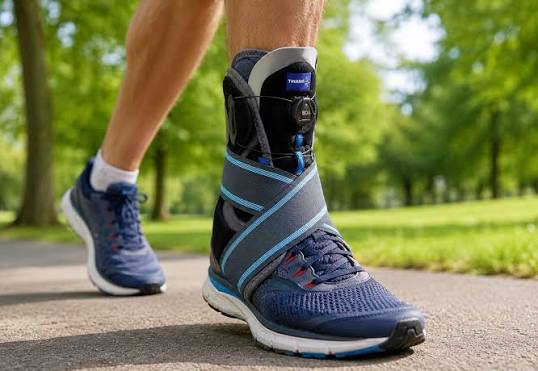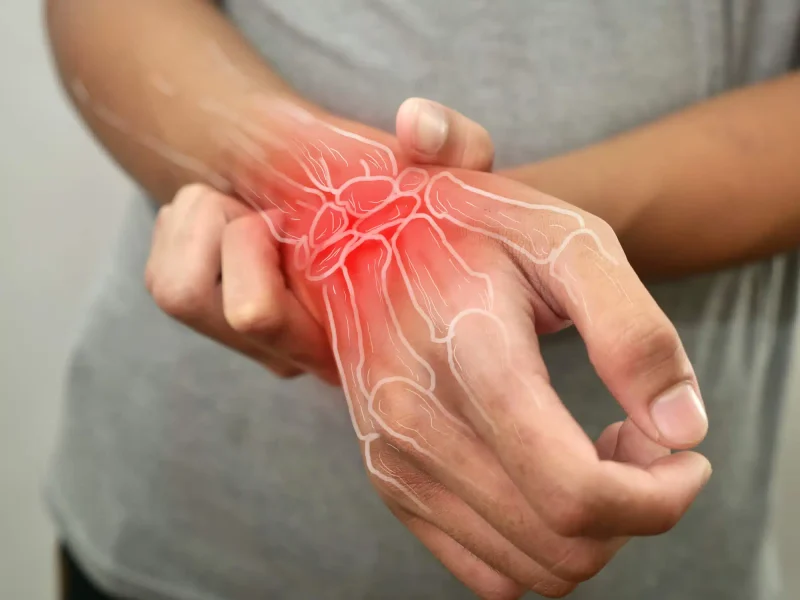
Persistent joint stiffness can make standing, walking, reaching, or starting the day feel harder than usual. Gentle movement may help maintain mobility in some situations, but stiffness has many possible causes and shouldn’t automatically be assumed to come from simple inactivity.
The safest approach is gradual movement that feels manageable while paying attention to pain, swelling, heat, and other changes.
Why Gentle Movement May Help
Movement helps joints travel through their available range and keeps the surrounding muscles active. For people with arthritis, the CDC states that joint-friendly physical activity can help improve pain and physical function.
The agency lists activities such as walking, cycling, swimming, tai chi, and light gardening as lower-stress options. Its guidance also recommends starting slowly and adjusting activity according to how the body responds. CDC guidance on physical activity and arthritis
Start With Comfortable, Controlled Motion
Gentle activity doesn’t require forcing a stiff joint through pain. Small, controlled movements can be used to explore the comfortable range before increasing duration or effort.
People researching joint symptoms online may come across broader reading resources mixed with medical pages and personal discussions. For health decisions, clinical guidance and qualified health professionals should carry more weight than unrelated web material.
Movement Should Be Gradual
A short walk, easy range-of-motion movements, or another low-impact activity may be easier to tolerate than suddenly returning to demanding exercise.
Stop or reduce the activity if symptoms become substantially worse. A clinician or physical therapist can help determine what type of movement is appropriate when stiffness is persistent or its cause is unclear.
Watch the Pattern, Not Only the Stiffness
Timing can provide useful context. Stiffness after prolonged sitting, stiffness accompanied by visible swelling, and stiffness following an injury are different patterns and may need different evaluation.
While researching those patterns, web research directories may appear alongside health material. They should not be treated as diagnostic sources because similar symptoms can occur with many unrelated joint conditions.
| Pattern | What to Notice | Why Context Matters |
|---|---|---|
| After inactivity | How quickly motion improves | May guide evaluation |
| With swelling | Warmth or visible enlargement | Can suggest inflammation |
| After injury | New pain or instability | Injury may need assessment |
| Progressively worsening | Loss of normal function | Deserves medical attention |
Don’t Depend on Exercise Alone
Movement can be useful, but persistent stiffness isn’t a diagnosis. Joint symptoms may be associated with arthritis, previous injury, inflammation, overuse, or other musculoskeletal and medical problems.
General media and reading notes can be part of someone’s wider online research, yet they cannot determine the cause of a physical symptom. Diagnosis may require a medical history, physical examination, and sometimes imaging or laboratory testing depending on the suspected problem.
Where Self-Treatment Can Go Wrong
One common mistake is pushing harder because a stiff joint feels as though it simply needs to be “worked out.” Forceful activity can aggravate an injured or highly inflamed joint.
The opposite approach can also be unhelpful. Avoiding nearly all movement for long periods may contribute to loss of strength and function in some conditions. The appropriate balance depends on the underlying cause, severity, and medical history.
When Joint Stiffness Needs Medical Attention
Seek medical evaluation for stiffness that is persistent, worsening, unexplained, or interfering with normal activities. Prompt care is particularly important when a joint becomes markedly swollen, hot, red, severely painful, or difficult to use, or when symptoms follow a significant injury.
Severe symptoms or sudden loss of function should not be managed solely through online exercise advice. CDC guidance also advises contacting a health care provider when pain or other symptoms are severe.
Frequently Asked Questions
Is walking good for stiff joints?
Walking is a joint-friendly activity for many people, including some people with arthritis. Suitability depends on the cause of stiffness, current symptoms, balance, injury history, and whether walking makes symptoms substantially worse.
Should I stretch a joint that feels stiff?
Gentle range-of-motion work may be reasonable for some types of stiffness, but stretching should not be forced through sharp or severe pain. Persistent or unexplained limitation deserves professional evaluation.
Can joint stiffness happen without arthritis?
Yes. Stiffness can have numerous causes, including injury, temporary overuse, periods of inactivity, and other musculoskeletal or medical conditions. Symptoms alone cannot determine the cause.
Use Movement as One Part of the Response
Gentle movement can support mobility, but persistent stiffness deserves attention to its pattern and cause. Start slowly, choose comfortable activity, and avoid forcing a painful joint.
If the stiffness keeps returning, worsens, or comes with significant swelling or loss of function, arrange an appropriate medical evaluation rather than continually increasing exercise.
This article is for general informational purposes and is not a substitute for professional medical advice, diagnosis, or treatment.