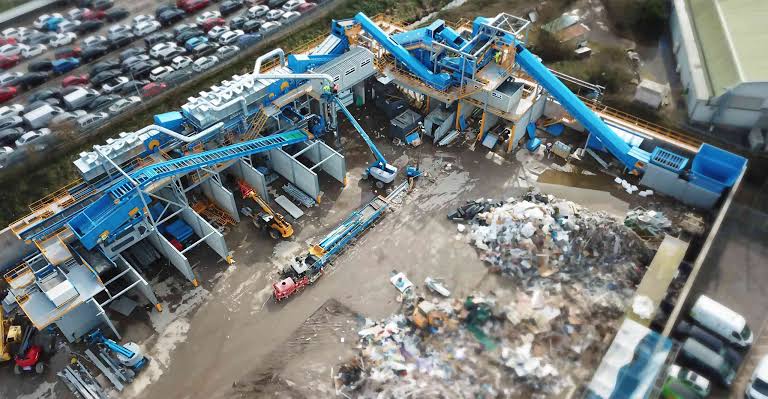
Waste disposal problems often begin before anything reaches a landfill or recycling facility. A material’s identity, source, quantity, and characteristics can determine how it must be stored, transported, treated, or discarded.
Before removing unfamiliar industrial, construction, chemical, or commercial waste, determine what it is and which federal, state, or local rules may apply.
Why Waste Classification Matters Before Disposal
Not every discarded material is regulated in the same way. Ordinary municipal waste, recyclable materials, construction debris, used oil, hazardous waste, and certain special wastes may fall under different requirements.
Under the federal Resource Conservation and Recovery Act framework, EPA regulations address solid and hazardous waste, while states may administer their own authorized programs and impose additional requirements. US EPA
Organizations researching disposal responsibilities may consult general legal publishing resources for background information, but classification decisions should be based on applicable regulations and reliable information about the material itself.
Identify the Material Before Arranging Removal
Labels, safety data sheets, process records, purchase information, and previous waste characterization reports can help establish what a material contains. Unknown liquids or powders shouldn’t be treated as ordinary trash simply because their origin isn’t immediately clear.
Keep documentation showing how the material was identified and which disposal route was selected.
| Disposal Question | Record to Check | Practical Purpose |
|---|---|---|
| What is it? | Product/process records | Helps classify waste |
| Where did it come from? | Site records | Establishes source |
| Who removes it? | Contractor documents | Confirms responsibility |
| Where does it go? | Disposal receipt | Creates a final record |
Information encountered through regional publication content may raise awareness of waste problems, but site-specific decisions require applicable regulatory guidance rather than assumptions based on unrelated incidents.
Check Federal, State, and Local Requirements
Federal standards aren’t always the entire answer. EPA states that hazardous waste generators should check with their state regulatory agency because states can have additional or more stringent requirements. US EPA
Local governments may separately regulate ordinary solid waste, bulky materials, construction debris, collection schedules, or disposal sites.
This is also why broader online reporting should be treated as background reading rather than a substitute for official waste rules governing the location where the material is generated.
Keep Disposal Documentation
Receipts, manifests when required, contractor information, weight tickets, characterization records, and photographs can help establish what happened to waste after it left a property.
Businesses should avoid assuming that hiring a contractor automatically transfers every regulatory responsibility. The applicable rules depend on the waste, the parties involved, and the governing jurisdiction.
Confirm the Destination
Knowing who picked up material isn’t always enough. Record the facility or authorized destination whenever applicable and retain documentation showing acceptance or disposal.
That simple step can prevent major uncertainty months later.
Where Waste Disposal Decisions Commonly Go Wrong
A frequent mistake is deciding how to dispose of something based only on appearance. Clear liquid isn’t necessarily harmless, and a familiar commercial product can become regulated differently after use or contamination.
Another problem is mixing materials before classification. Combining waste streams can complicate testing, recycling, storage, transportation, and disposal. When the material is uncertain, identify it before moving or combining it with anything else.
When to Contact Regulators or Legal Counsel
Seek regulatory guidance when you can’t confidently determine the waste category, permitted destination, transportation requirements, or documentation needed. Significant spills, suspected unlawful dumping, enforcement notices, or contaminated property can create issues beyond routine disposal.
If potential liability, contract disputes, cleanup obligations, or regulatory penalties are involved, an environmental lawyer can assess the specific facts and applicable law.
Frequently Asked Questions
Can all construction waste go into the same dumpster?
No. Disposal requirements depend on what the debris contains and local rules. Certain paints, chemicals, asbestos-containing materials, treated materials, or contaminated debris can require different handling.
Should disposal receipts be kept?
Yes. Receipts and facility records can help document when material left the site, who handled it, and where it was taken.
Does a waste removal contractor handle every legal requirement?
Not necessarily. Responsibilities vary according to waste type, contracts, generator status, and applicable regulations. Confirm each party’s responsibilities before removal begins.
Verify the Disposal Route First
Waste removal should start with identification, not a truck. Determine what the material is, check applicable federal and local requirements, select an appropriate destination, and preserve the paperwork. When classification or responsibility is uncertain, regulatory guidance or individualized legal advice can reduce the risk of making a disposal problem harder to correct later.
This article provides general legal information and is not a substitute for advice from a qualified attorney about a specific matter.