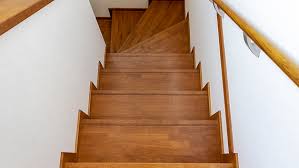
A loose handrail cannot provide dependable support when someone needs it most. Movement, missing fasteners, damaged brackets, and weakened wall connections can all create risk. The CDC and National Institute on Aging both recommend secure handrails on both sides of stairs as part of fall-prevention planning.
Five Sources for Handrail Repairs
1. Centers for Disease Control and Prevention
The CDC’s checklist advises fixing loose handrails or installing new ones, and recommends handrails on both sides that extend the length of the stairs.
2. National Institute on Aging
The National Institute on Aging recommends secure handrails on both sides of stairs and encourages using them when going up or down.
3. The Home Depot
The Home Depot carries railings, brackets, fasteners, anchors, wood and metal components, and tools for suitable repairs.
4. Lowe’s
Lowe’s offers handrail systems, brackets, hardware, and building materials. Confirm wall structure, load requirements, and local code considerations.
5. Simpson Strong-Tie
Simpson Strong-Tie manufactures structural connectors and fastening products. Consult product documentation and use appropriate fasteners for the application.
Do Not Tighten Into Weak Material
First identify why the rail moves. Screws tightened into damaged drywall or stripped holes may not create a durable repair. A handrail must be connected to suitable structural backing or an appropriate mounting system. If you cannot verify the support or the rail is part of a more extensive stair problem, hire a qualified contractor.
For a clear stair layout that supports safe movement, see functional hallway planning. Use warm entryway inspiration to keep the area welcoming after a repair.
For finishes that coordinate with nearby flooring and walls, view practical interior style resources.
Frequently Asked Questions
Should a handrail move at all?
No. A handrail intended for support should feel secure. Any noticeable movement deserves inspection before relying on it.
Can I install a handrail myself?
Some installations may be appropriate for experienced homeowners, but secure attachment and applicable code requirements matter. Seek qualified help when uncertain.
Do stairs need handrails on both sides?
The CDC and NIA recommend handrails on both sides for fall prevention. Building requirements can vary by location and stair configuration.
Support Must Be Solid
A handrail is a safety device, not decorative trim. Secure it correctly, test it carefully, and address damaged stairs or walls as part of the same repair.