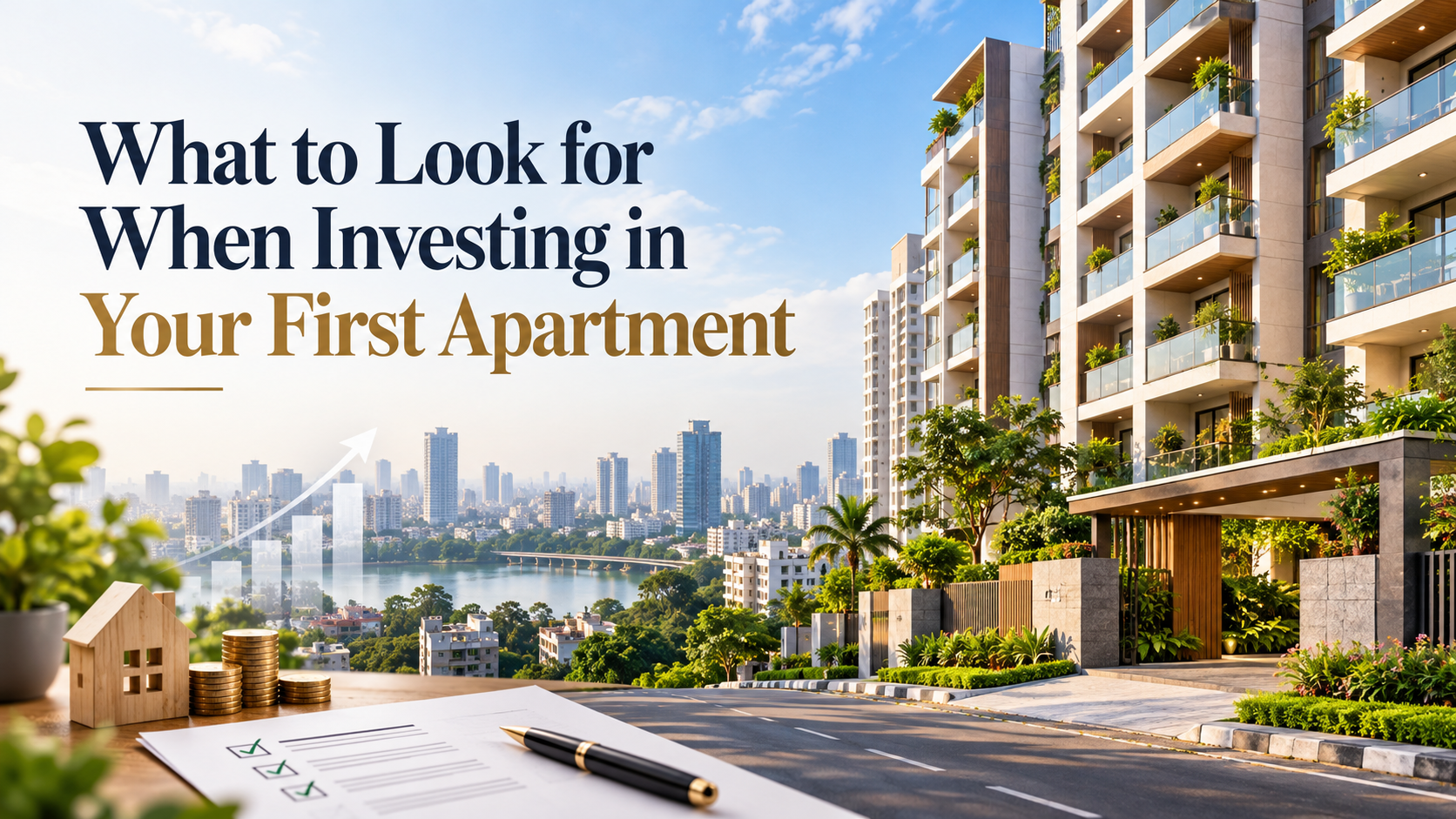
Buying your first apartment is one of the most significant financial decisions you will ever make, and getting it right from the start matters more than most first-time buyers realise. From location and legal documents to construction quality and developer reputation, there is a lot to evaluate before committing.
Working with a trusted real estate company in Bangladesh that knows the market can make that process significantly less overwhelming.
Why Should Location Be The First Factor?
Before you look at a single floor plan or compare price per square foot, get the location right. You can change or improve everything else in real estate over time. Location cannot.
Here is what to evaluate when assessing a location:
- Connectivity: How easy is it to reach your workplace, your children’s school, and the nearest hospital? Measure actual travel time during peak hours, not just map distance.
- Infrastructure trajectory: Is the area already well connected, or is new infrastructure planned nearby? Areas in the path of metro extensions, new expressways, or road-widening projects often appreciate faster than already-established neighbourhoods.
- Amenity access: Schools, hospitals, supermarkets, and recreational spaces within a reasonable distance add real, measurable value to any residential location.
- Neighbourhood quality: Wide roads, proper drainage, reliable utilities, and a well-maintained environment all contribute to long-term liveability and resale appeal.
- Developer activity: If reputable developers are actively building in an area, that is a strong signal of confidence in its future. It also means better resale options down the line.
A well-located apartment in a modest building will almost always outperform a poorly located one in a premium building over a ten-year horizon.
How to Evaluate a Developer Before You Buy?
Before you invest in your first apartment, one of the most important factors is to evaluate a developer before you buy,
Here is what to look at:
- REHAB membership: Check whether the developer is a registered member of REHAB, the Real Estate and Housing Association of Bangladesh, at rehab-bd.org. Membership signals a baseline commitment to industry standards and buyer accountability.
- RAJUK approvals: Every legitimate project must have a valid RAJUK-approved building plan and land use clearance certificate. Ask for these documents for the specific project you are considering, not just a general company registration.
- Delivery track record: How many projects has the developer completed, and did they deliver on time? Visit completed projects, speak to residents, and check whether the finished product matched what was promised during sales.
- Land title clarity: Confirm that the land the project is built on has a clear, undisputed title. A developer who hesitates to share this information is a developer worth walking away from.
- Construction quality: Visit a completed project by the same developer before committing. The finishing quality, common area maintenance, and building condition years after handover tell you far more than any showroom visit ever will.
- After-sale service: A trustworthy developer stays accountable after the keys are handed over. Ask about the defect liability period, maintenance structure, and how complaints are handled post-handover.
The developer you choose determines the quality of every wall, every fitting, and every system in your home. Take the time to evaluate them as carefully as you evaluate the apartment itself.
What Does Your Budget Actually Cover?
One of the most common mistakes first-time buyers make is treating the listed apartment price as the total cost. It is not. The hidden costs of buying luxury apartments in particular can catch buyers off guard, with premium developments carrying additional charges that go well beyond the purchase price.
The real cost of buying an apartment in Dhaka is consistently higher than the number on the brochure, and going in without accounting for that gap can leave you in a difficult position at exactly the wrong moment.
Here is what your budget actually needs to cover:
- Base apartment price: The price per square foot multiplied by the total built-up area. This is the number most buyers focus on, but it is only the starting point.
- Registration and stamp duty: Property registration in Bangladesh involves multiple cost components, including stamp duty, VAT, local taxes, gain tax, and registration fees.
- Parking charges: In most premium developments, parking is sold separately from the apartment. Always confirm whether it is included in the listed price or comes at an additional cost.
- Utility connection fees: Gas, electricity, and water connection charges are typically paid by the buyer and are not included in the apartment price.
- Monthly maintenance fees: Most apartment buildings charge a monthly fee for common area upkeep, security, elevator maintenance, and building management.
- Interior and finishing costs: Even a fully finished apartment will likely need furniture, fixtures, curtains, and customisation before it feels like home.
- Legal fees: If you hire a property lawyer, factor their fees into your budget. Given how much is at stake, this is one cost that is always worth paying.
A practical rule of thumb is to add 15–20% on top of the listed apartment price to cover all additional costs comfortably.
What Legal Documents Should You Check Before Signing?
Never sign anything before verifying these key documents. Legal complications in real estate are expensive, time-consuming, and often avoidable with basic due diligence upfront.
- Land title deed and Baya deeds: Confirm the developer legally owns the land and trace its ownership history.
- Mutation certificate: Confirms land records have been updated in the developer’s name at the relevant government office.
- RAJUK-approved building plan: Confirms the specific project has been legally sanctioned for construction. Always ask for the project-specific approval, not a general company document.
- Sale agreement: Every promise, timeline, amenity, and payment schedule must be clearly stated in writing. If it is not in the agreement, it does not exist legally.
- Deed of Transfer: The document that legally transfers ownership to your name at registration.
When in doubt, have a property lawyer review everything before committing.
What Construction Quality Clues Should You Look For?
Visit the actual unit before buying, not just the display apartment. What you see in a showroom is designed to impress. What you see in the real unit tells the truth. During your visit, look for these warning signs:
- Cracks in walls or ceilings: Even hairline cracks can point to deeper structural issues beneath the surface. Do not dismiss them as cosmetic.
- Hollow or uneven floor tiles: Tap the tiles. A hollow sound means they were not laid properly and will loosen over time.
- Water stains or damp patches: Signs of poor waterproofing around windows, walls, and ceilings that will only worsen after handover.
- Poorly fitted doors, windows, and fixtures: Gaps, misalignment, and sticking frames indicate rushed or careless workmanship throughout the build.
- Inadequate ventilation: Poor airflow leads to humidity buildup, mold growth, and long-term structural wear that is expensive to fix.
- Electrical and plumbing condition: Check switches, sockets, and taps. Faulty installations are a safety hazard and a long-term maintenance burden.
A well-built apartment should show none of these. If it does, move on.
What Questions Should You Ask Before Signing the Agreement?
The questions you ask before signing are just as important as the documents you check. Ask these before committing to anything:
- Is the land title clear and free from disputes?
- What is the exact handover date, and is there a penalty clause for delays?
- Are all promised amenities listed in the agreement?
- What is the defect liability period and after-sales support structure?
- What are the total costs including registration, parking, and utility connections?
- Can I speak to residents of your completed projects?
Get every answer in writing. A verbal commitment carries no legal weight once the agreement is signed.
Final Thoughts
Investing in your first apartment is exciting, but it rewards those who slow down and do their homework. The good news is that Bangladesh’s real estate market has more quality options today than ever before. With the right guidance from the best real estate company and a clear checklist of what to look for, finding an apartment that delivers on every level is very much within reach.
FAQs
- What should a first-time buyer prioritise when buying an apartment in Bangladesh?
Start with location, then evaluate the developer’s track record, legal approvals, and construction quality. Never prioritise price alone. A well-located apartment from a reliable developer will always be worth more in the long run.
- How much should a first-time buyer budget beyond the listed apartment price?
Add 15–20% on top of the listed price to cover registration fees, stamp duty, parking, utility connections, maintenance costs, and any interior finishing. Always ask for a full cost breakdown before signing.
- Is it safe to buy an under-construction apartment as a first-time buyer?
It can be, provided the developer has valid RAJUK approval, clear land title, and a strong delivery record. Ensure payments are tied to construction milestones and the agreement includes a penalty clause for delays.
- What is the most important document to check before buying an apartment?
The RAJUK-approved building plan for the specific project is non-negotiable. Without it, the building is legally unsanctioned and your investment is at significant legal risk regardless of how good the apartment looks.
- How do I know if a real estate developer in Bangladesh is trustworthy?
Verify REHAB membership, check RAJUK approvals, visit completed projects, and speak to previous buyers. A trustworthy developer answers every question clearly, shares documents without hesitation, and has a verifiable delivery record.
- Can I negotiate the price of an apartment with a developer in Bangladesh?
Yes, particularly during pre-launch or early sales phases. Developers often offer flexibility on payment plans, parking, or finishing upgrades. Always confirm agreed terms in writing before signing anything.
- What is a defect liability period and why does it matter for first-time buyers?
It is a period after handover during which the developer fixes construction defects at no cost. Always confirm the duration in writing before signing the sale agreement.
- How long does it take to buy an apartment in Bangladesh from start to finish?
Ready flats typically take one to three months from signing to registration. Under-construction apartments can take one to three years from booking to handover depending on the developer and project timeline.