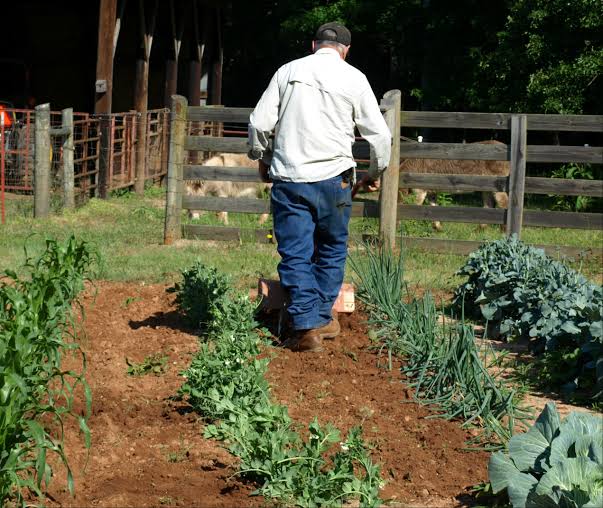
Weedy garden beds can become difficult to manage when unwanted plants are allowed to flower, spread seed, and compete with ornamentals. Harsh chemical treatment isn’t always necessary. Regular hand removal, mulch, better plant spacing, and attention to soil disturbance can greatly reduce weeds while keeping the garden easier to maintain.
Remove Weeds Before They Reproduce
Timing makes weed control much easier. Small weeds usually pull more cleanly than mature plants with deep root systems, and removing them before flowering reduces the amount of seed added to the garden.
Moist soil after rain or watering often makes hand pulling easier. Broader household project guidance can reinforce a useful maintenance principle: dealing with small problems early generally requires less work than correcting them after they spread.
Pull close to the soil surface and try to remove the root rather than snapping off the top.
Handle Persistent Roots Carefully
Some weeds return from underground roots, runners, or fragments left in the soil. For these plants, repeated removal may be necessary.
Use a narrow hand tool to loosen soil around the root instead of aggressively digging through the entire bed. Heavy digging can bring buried weed seeds closer to the surface.
Use Mulch as a Physical Barrier
Mulch reduces the light available to many newly germinating weeds. Organic materials such as shredded bark, wood chips, or composted material can also improve the appearance of planting areas.
People exploring everyday living resources may find mulch especially practical because one step can improve appearance, reduce evaporation, and make recurring weed removal easier.
Do not pile mulch against plant crowns, tree trunks, or stems. Leave breathing room around established plants and replenish material when it becomes thin.
| Method | Main Benefit | Watch For |
|---|---|---|
| Hand pulling | Removes existing weeds | Roots left behind |
| Mulching | Suppresses new growth | Excess depth |
| Dense planting | Shades open soil | Crowding |
| Targeted cultivation | Disturbs seedlings | Bringing up buried seeds |
Fill Open Soil With Wanted Plants
Large empty spaces between plants create opportunities for weeds. As suitable shrubs, flowers, and groundcovers mature, they shade more of the soil and make the bed less inviting to opportunistic growth.
Choosing the right arrangement also changes how the bed looks throughout the season. Browsing garden styling ideas can help when considering plant spacing, edging, wall backgrounds, and other visual elements around a planted area.
Dense planting does not mean overcrowding. Allow each plant enough room for mature growth and airflow.
Keep Garden Edges Defined
Weeds and lawn grasses frequently enter planting beds from the perimeter. A clear edge creates a physical separation and makes invading growth easier to spot.
Inspect boundaries during routine garden maintenance. Pull runners before they travel far into the bed and remove weeds growing immediately beside edging materials.
Paths and nearby gravel areas deserve attention as well. Seeds can move into garden soil from surrounding neglected spaces.
Mistakes That Can Increase Weed Problems
Constantly turning over clean soil may create more work. Many weed seeds remain buried until disturbance brings them closer to light and favorable growing conditions.
Another mistake is letting pulled weeds sit in the bed after they have developed mature seed heads. Some may continue releasing seeds. Using an excessively thick mulch layer is not ideal either, because it can interfere with water movement and create poor conditions around plant stems.
Frequently Asked Questions
Does vinegar permanently kill garden weeds?
Vinegar can damage exposed plant tissue, but results vary and established perennial weeds may regrow from their roots. It can also injure desirable plants when sprayed carelessly.
How often should garden beds be weeded?
Frequent short sessions are usually easier than occasional major cleanups. Checking beds every week or two during active growing periods helps catch small weeds before they mature.
Can groundcover plants reduce weeds?
Suitable groundcovers can reduce open soil and shade areas where weed seedlings might otherwise grow. They still require sensible spacing, maintenance, and selection for the site’s light and moisture conditions.
Make Weed Control a Routine Job
The easiest garden bed to maintain is one that never gives weeds months to establish. Remove young plants, protect exposed soil with appropriate mulch, maintain defined edges, and let desirable plants occupy suitable space. A few minutes of regular inspection can prevent the exhausting cleanup that follows when weeds are allowed to dominate an entire bed.