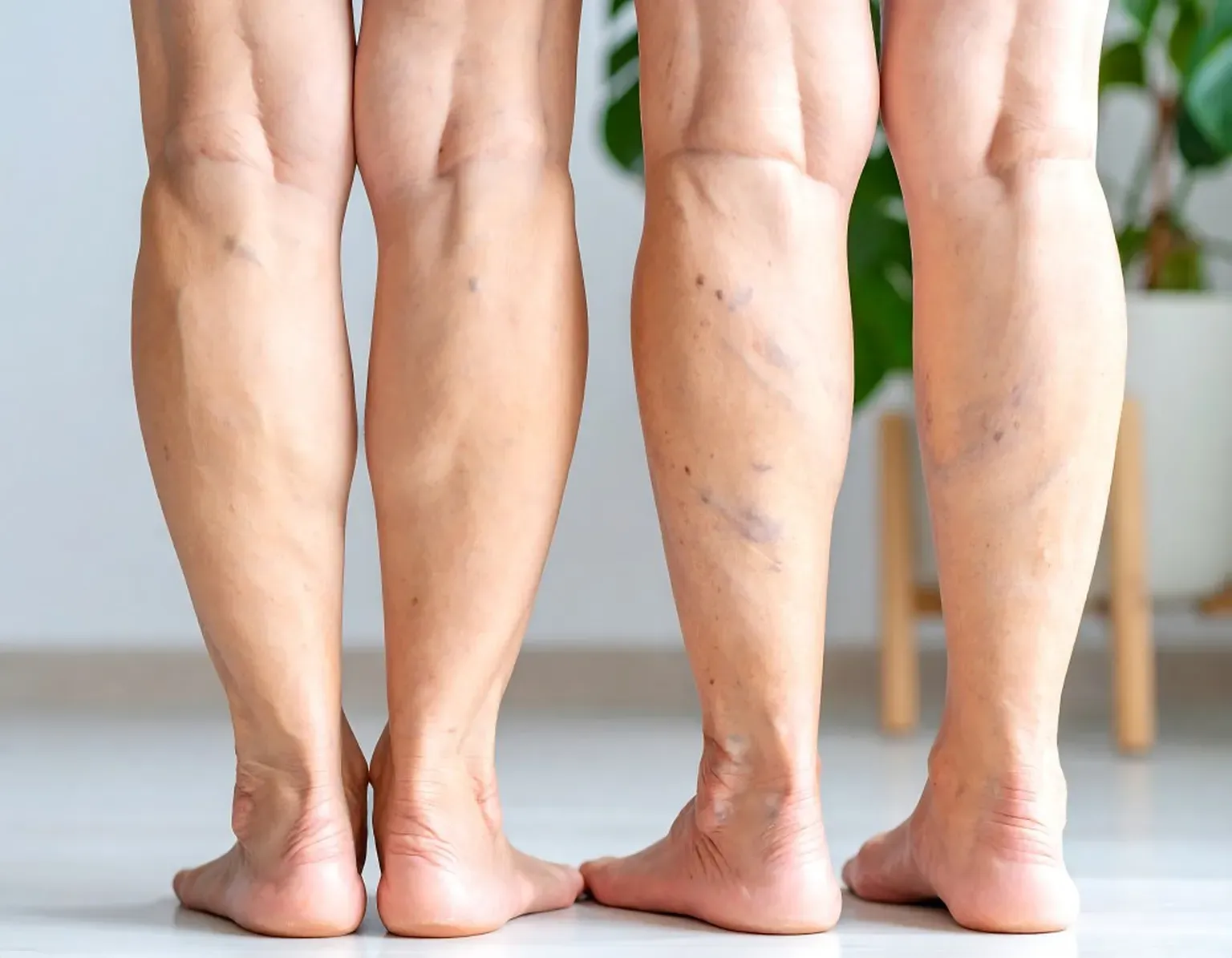
Repeated swelling in the legs can occur after long periods of sitting or standing, but frequent or unexplained swelling deserves more attention. Fluid buildup, circulation problems, injuries, medications, and several health conditions can produce similar symptoms. Gentle movement may help in some situations, while persistent or unusual swelling should be medically evaluated.
What Can Repeated Leg Swelling Mean?
Leg swelling, also called edema, happens when fluid accumulates in the tissues. It may affect the feet and ankles or extend higher into the legs.
People browsing general wellness reading may encounter many possible explanations online, but the pattern matters. Swelling in both legs after prolonged standing is different from sudden swelling, warmth, tenderness, or redness in one leg.
How Movement May Affect Swelling
Regular movement helps the calf muscles assist blood returning upward through the veins. If you’re otherwise able to move safely, short walks or changing position periodically may reduce swelling associated with long stretches of sitting or standing.
Broader online health articles can offer general ideas, but movement isn’t a substitute for evaluation when swelling keeps returning. The underlying cause determines what kind of management is appropriate.
| Pattern | Possible Context | What to Consider |
|---|---|---|
| Both ankles after standing | Fluid pooling | Change position |
| One swollen leg | Several possible causes | Seek evaluation |
| Swelling after injury | Local inflammation | Assess the injury |
| Recurrent unexplained swelling | Medical cause possible | Discuss with clinician |
Why the Cause Matters
Swelling can be associated with venous circulation problems, injuries, prolonged immobility, certain medications, and disorders affecting organs that regulate fluid balance. That wide range is why appearance alone cannot identify the cause.
Someone comparing everyday information sources should use clinical guidance for health decisions. MedlinePlus notes that leg and ankle swelling can have several causes and recommends medical attention for unexplained swelling or concerning associated symptoms.
What a Clinician May Ask About
Evaluation often starts with questions about when the swelling began, whether one or both legs are affected, what makes it better or worse, recent travel or inactivity, injuries, medications, and other symptoms.
The physical examination and any testing depend on that history. There is no single test that explains every case of swollen legs.
Where Self-Diagnosis Can Go Wrong
A common assumption is that swelling always means someone has consumed too much salt or spent too long sitting. Those factors can contribute in some cases, but they do not explain every pattern.
It is also risky to assume one-sided swelling is harmless because there is little pain. Symptoms overlap among many conditions, and a blood clot can sometimes cause swelling, tenderness, warmth, or redness. Proper evaluation is needed to determine the cause.
Red Flags That Need Prompt Attention
Seek prompt medical care for sudden or unexplained swelling, especially when one leg becomes swollen, painful, red, or warm. Deep vein thrombosis can cause these symptoms and can lead to pulmonary embolism.
Chest pain, trouble breathing, coughing up blood, fainting, or severe breathing difficulty with leg swelling requires urgent emergency evaluation.
Frequently Asked Questions
Can sitting all day make the ankles swell?
Yes. Long periods of sitting can contribute to fluid pooling in the lower legs and ankles. Changing position and walking periodically may help, but repeated or unexplained swelling still deserves evaluation.
Why would only one leg become swollen?
One-sided swelling can have several causes, including injury, infection, vein problems, or a blood clot. Because the possibilities differ considerably, new unexplained swelling in one leg should not be diagnosed from appearance alone.
Should I stop a medicine if I think it causes swelling?
Do not stop a prescribed medicine on your own. Some medications can contribute to swelling, but changes should be discussed with the prescribing clinician so the benefits, risks, and alternatives can be reviewed safely.
Pay Attention to the Pattern
Movement can be useful when inactivity contributes to mild swelling, but frequent leg swelling should not automatically be treated as a simple circulation problem. Note whether it affects one or both legs, how quickly it appears, and what other symptoms occur. Persistent, worsening, sudden, or unexplained swelling is a good reason to seek professional evaluation.
This article is for general informational purposes and is not a substitute for professional medical advice, diagnosis, or treatment.